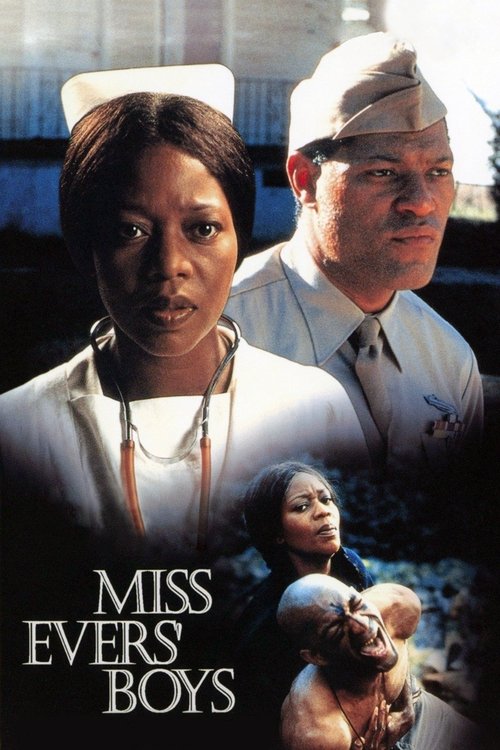
Miss Evers' Boys
1997
No user ratings available yet
Representation score: 7.1 out of 10

Representation Score
Excellent
2017
TV-MADirector
George C. Wolfe
Runtime
93 minutes
Average Rating
No ratings yetNew Showbiz Analysis
The film excels at deconstructing the 'triumph of science' cliché by focusing on systemic exploitation. It centers underrepresented perspectives and critiques the power dynamics of Western institutions. While the racial and cultural critiques are profound, the film lacks engagement with LGBTQ+ themes. The narrative remains focused on the specific biological and familial history of the Lacks family. Ultimately, the work is a sophisticated biographical drama that challenges how medical history is traditionally told, prioritizing the ability to act of Black women over white scientific achievement.
Category Breakdown
The film does not center on non-straight-centered identities or LGBTQ+ themes. The narrative focuses strictly on the familial and biological legacy of the Lacks lineage.
The story disrupts patriarchal structures by highlighting a matriarchal legacy. Emotional and intellectual weight is carried by Henrietta and her daughter, Deborah.
This film provides exceptional representation by centering a Black woman as a catalyst for scientific progress. It critiques the historical exploitation of Black bodies.
The narrative critiques Western medical and capitalist institutions. It highlights the tension between commercial profit and the socioeconomic struggles of the Lacks family.
The film addresses physical vulnerability through the portrayal of Henrietta’s cancer. It avoids sentimentalism by focusing on the systemic implications of her illness.
Present on Screen
Limited or Absent
Official Synopsis
An African-American woman becomes an unwitting pioneer for medical breakthroughs when her cells are used to create the first immortal human cell line in the early 1950s.
1997

1993

2022
2004

2002

2009

2024

1992
No reviews yet. Be the first to share your thoughts on this movie!
Use the rating form above to leave a star rating and optional review.