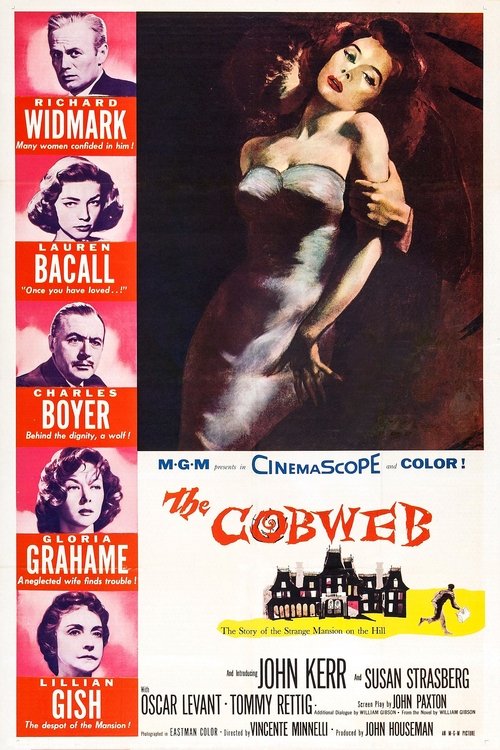
The Cobweb
1955
No user ratings available yet
Representation score: 4.4 out of 10
Representation Score
Fair
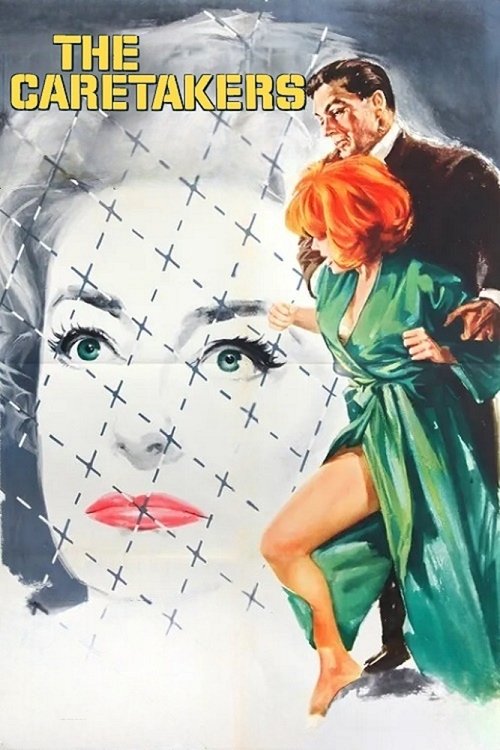
1963
NRDirector
Hall Bartlett
Runtime
97 minutes
Average Rating
No ratings yetNew Showbiz Analysis
Hall Bartlett’s social realism approach centers the narrative on institutional critique and the human experience of mental illness. The film prioritizes the portrayal of neurodivergent individuals over broad demographic variety. While the film excels in representing disability, it remains constrained by the social norms of its 1963 production era. It lacks LGBTQ+ representation and significant racial diversity. Ultimately, the work serves as a systemic study of medical authority. It highlights the vulnerabilities of those on the fringes of society through a focused, humanistic lens.
Category Breakdown
The film does not include any LGBTQ+ characters or narratives. The story centers on the interactions between patients and caregivers in a psychiatric ward.
Gender roles in the film likely reflect mid-century norms. The narrative explores power dynamics between administrative authority and patients, without explicitly challenging traditional gender hierarchies.
The production likely adheres to the demographic norms of 1963. There is no indication of a non-white majority cast or intentional racial diversity within the hospital setting.
The film critiques Western medical institutions. By focusing on the challenges within an overcrowded ward, it questions the effectiveness of traditional systemic structures.
Mental illness is the central theme of the film. The narrative provides a nuanced look at the lived experiences of neurodivergent individuals and the struggles they face within the system.
Present on Screen
Limited or Absent
Official Synopsis
This movie chronicles the trials of the mentally ill and their care-givers in an over-crowded ward of a hospital.
1955

2016
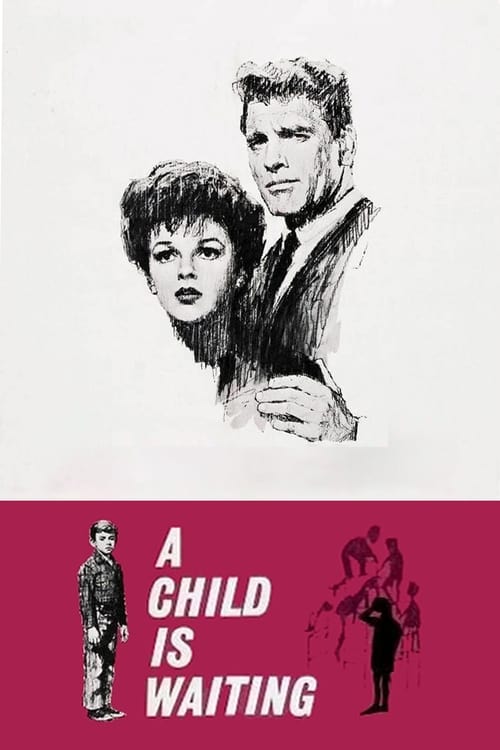
1963
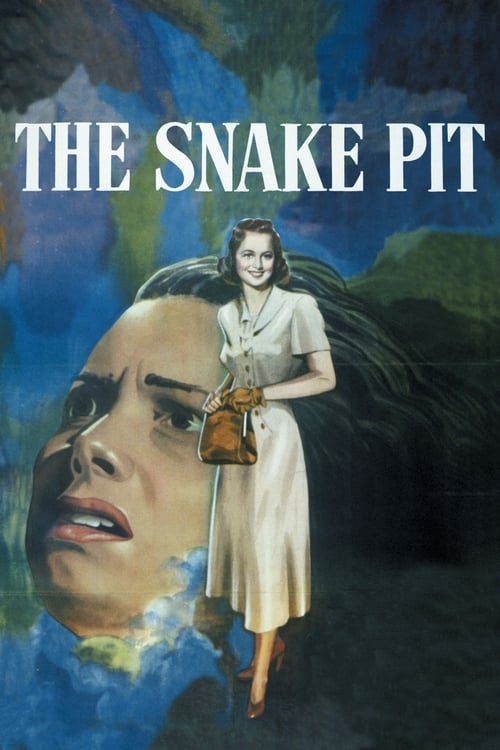
1948

1975

1961
1958
1971
No reviews yet. Be the first to share your thoughts on this movie!
Use the rating form above to leave a star rating and optional review.