
Whisper of the Heart
1995
No user ratings available yet
Diversity score: 2.8 out of 10
1988
Director
Kihachiro Kawamoto
Runtime
25 minutes
Average Rating
No ratings yetSynopsis
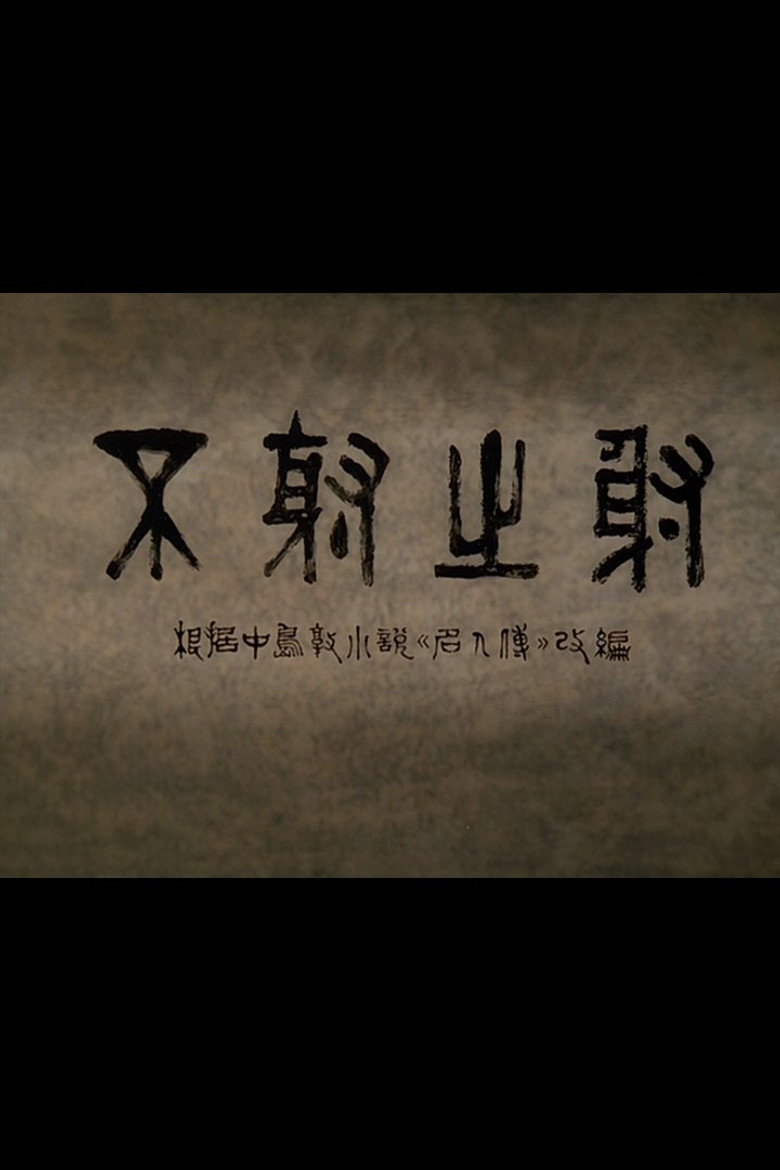
Ji Chang wants to be the best archer in the world. He seeks out a master who is able, at a distance, to shoot a single leaf off a tree. Over several years, the apprentice studies with the master. Finally, after mastering the techniques, as well as his own ambition, he sets off for the mountains, home of a legendary master of archery...
Overall Score
Limited
Category Breakdown
LGBTQ+ Representation
The film lacks LGBTQ+ characters or narratives exploring non-heteronormative identities. It focuses on a traditional master-apprentice relationship within a historical Japanese framework.
Gender Representation
The story centers on Ji Chang, a male protagonist, and his male master. The period drama structure reinforces traditional gender hierarchies with little evidence of female agency.
Racial & Ethnic Diversity
The film maintains high cultural authenticity through its Japanese setting and cast. It remains firmly rooted in its specific cultural milieu without attempting ethnic blending.
Religious & Cultural Diversity
The narrative explores non-Western philosophical frameworks regarding the deconstruction of the ego. However, it does not actively critique traditional institutions like the family or state.
Disability Representation
There is no evidence of characters with visible or invisible disabilities serving as central figures or plot devices in the story.
Strengths
Areas for Improvement
AI Analysis
Kihachiro Kawamoto’s work prioritizes spiritual and philosophical depth over contemporary identity politics. The film functions as a study of discipline and the transcendence of the self through a classical apprentice journey. While the animation is culturally rich and authentic, it adheres to the traditional social structures and gender roles common to 1980s Japanese period animation. The narrative architecture favors historical accuracy over intersectional representation. Ultimately, the film is a specialized exploration of martial and spiritual mastery rather than a vehicle for disrupting established social hierarchies.
1995
1978

2014
1985
1976
No reviews yet. Be the first to share your thoughts on this movie!
Use the rating form above to leave a star rating and optional review.