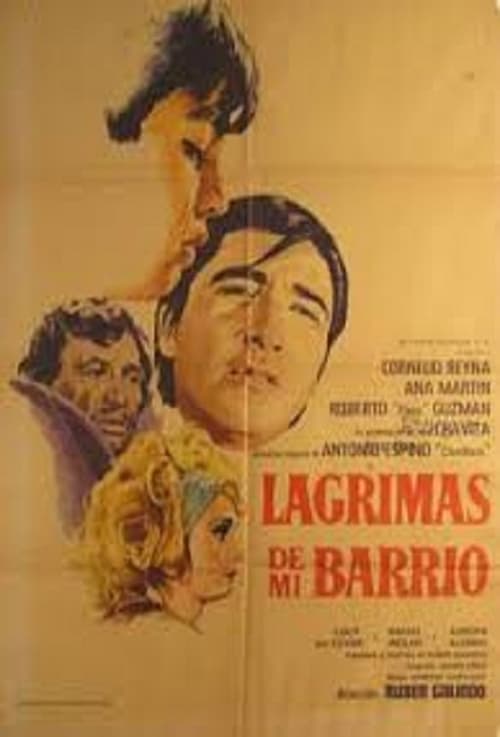
Lágrimas de mi barrio
1973
No user ratings available yet
Representation score: 5.0 out of 10
Representation Score
Fair
1981
Director
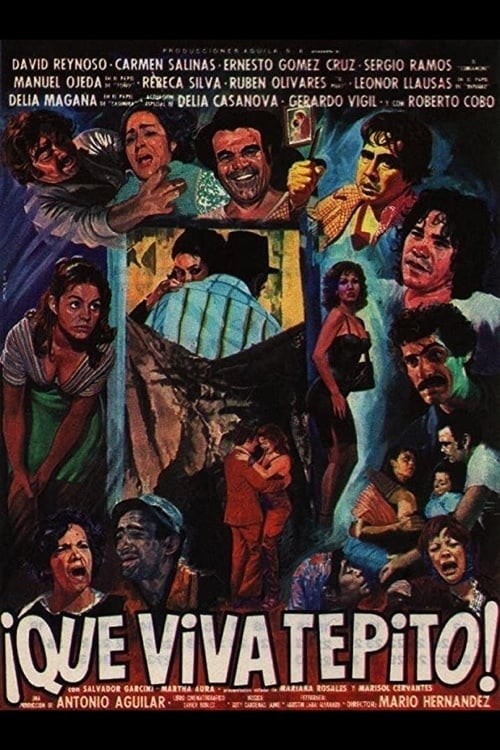
Mario Hernández
Runtime
95 minutes
Average Rating
No ratings yetNew Showbiz Analysis
Mario Hernández’s drama shines in its commitment to social realism, providing a candid look at life in a underrepresented Mexican neighborhood. By focusing on the passing of a matriarch, the film underscores the crucial role women play in the working class. The film’s strength lies in its refusal to cater to polished, middle-class cinematic clichés. Instead, it offers a localized, authentic portrayal of the Tepito community, highlighting how they cope with loss and tradition outside of mainstream institutional support. However, the narrative appears strictly traditional in its structure. While it excels at depicting socioeconomic realities, it lacks visible representation of LGBTQ+ identities or characters with disabilities.
Category Breakdown
The film does not include explicit stories about LGBTQ+ individuals or characters whose gender does not match their birth-assigned sex. The plot revolves around traditional family structures in a poor area.
A woman serves as the main driver of the story. Her passing sets the narrative in motion, emphasizing the significant role women play in the household.
By focusing on a underrepresented neighborhood in Mexico City, the film highlights a working-class, non-Anglo population. This shifts the focus away from typical middle-class settings in cinema.
The film uses social realism to criticize systemic neglect and state failure. It shows a community managing its own traditions independently of official institutions.
There is no information about the depiction of physical or cognitive disabilities in this film.
Present on Screen
Limited or Absent
Official Synopsis
Slice of life covering four or five days in a badly run-down neighborhood. Matriarch of a slum family dies unexpectedly; relatives from neighboring blocks cope with the loss and arrange her funeral.
1973
1970

1998

1976

2017
1989

1963
1951
No reviews yet. Be the first to share your thoughts on this movie!
Use the rating form above to leave a star rating and optional review.