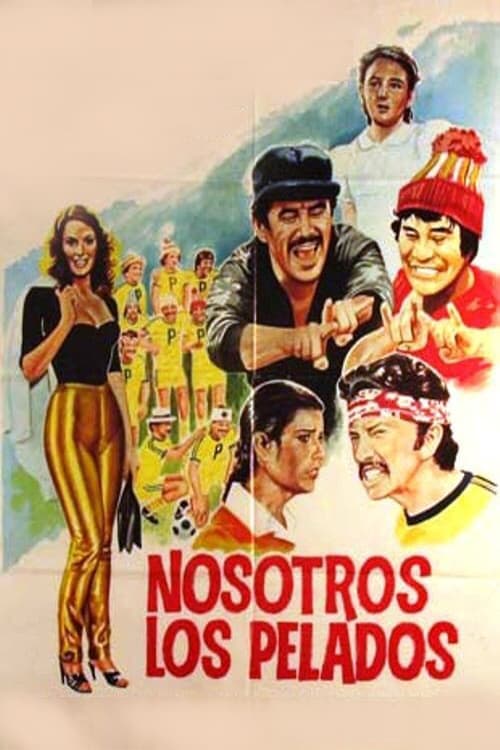
Nosotros los pelados
1984
No user ratings available yet
Representation score: 5.2 out of 10

Representation Score
Fair
1973
Director
Rubén Galindo
Runtime
88 minutes
Average Rating
No ratings yetNew Showbiz Analysis
Lágrimas de mi barrio provides a powerful portrayal of the systemic challenges faced by the working class. By centering on a street vendor wrongly accused of theft, the film underscores the tension between underrepresented communities and legal institutions. However, the narrative remains confined by its time period, lacking in gender empowerment and LGBTQ+ representation. Ultimately, the film serves as a critique of socioeconomic struggles and the perceived infallibility of legal systems, while highlighting communal identity over broader diversity.
Category Breakdown
The film doesn't include any openly LGBTQ+ characters or explore non-straight relationships. It focuses on a traditional family structure with a father and his son.
Women in the film mainly serve as plot catalysts, such as through the death of the main character’s wife. While the story delves into male domesticity and single fatherhood, it doesn’t give women much ability to act.
The setting hints at a narrative centered around a specific ethnic community. It portrays the daily lives and economic hardships faced by a underrepresented group.
The film questions the reliability of state institutions and the justice system. It emphasizes the localized, communal values of the 'barrio' over a more idealized institutional stability.
The film does not feature any characters dealing with physical, sensory, or neurodivergent disabilities.
Present on Screen
Limited or Absent
Official Synopsis
A working-class man, left to raise his son after his wife’s death, makes a living as a street vendor. When he buys a set of car rims, he is wrongfully accused of dealing in stolen parts—and sentenced to a year behind bars.
1984

1995

1981
1976

1963
1951

1998

1948
No reviews yet. Be the first to share your thoughts on this movie!
Use the rating form above to leave a star rating and optional review.