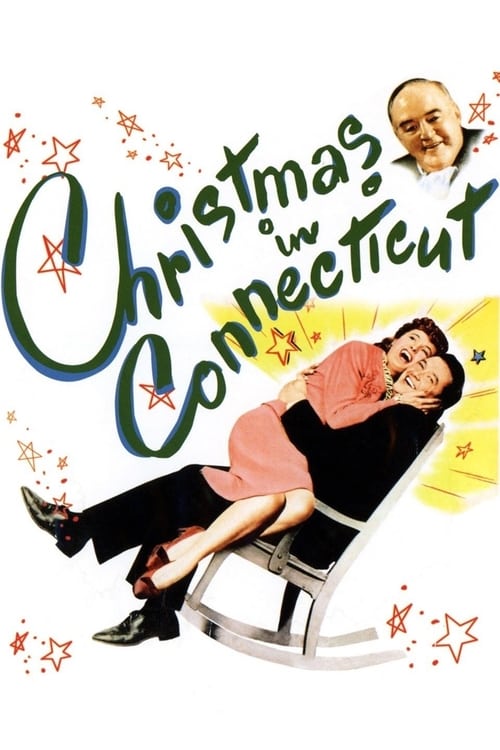
Christmas in Connecticut
1945
No user ratings available yet
Representation score: 2.2 out of 10
Representation Score
Limited
1942
NRDirector
Billy Wilder
Runtime
100 minutes
Average Rating
No ratings yetNew Showbiz Analysis
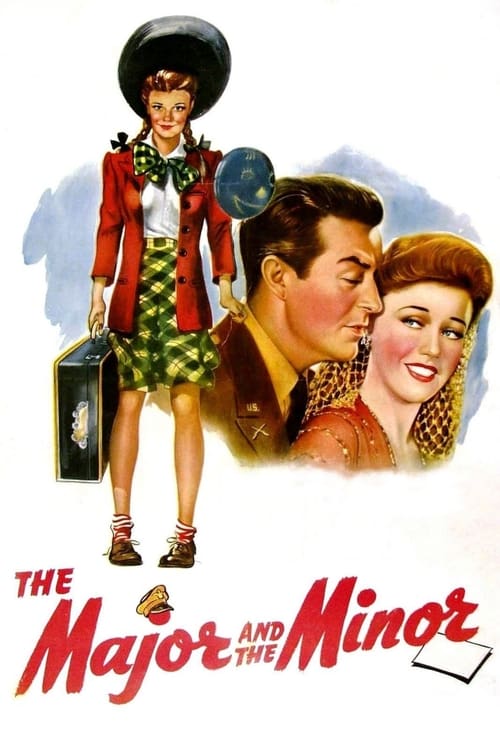
Billy Wilder's direction provides a critical examination of the tension between personal desires and societal expectations. Although the film reflects the era's social norms, it offers a nuanced exploration of class mobility and gendered empowerment. The narrative successfully challenges the damsel-in-distress cliché by giving the female lead intellectual and situational control. However, the film remains limited by the era's lack of diverse representation. Ultimately, the film serves as a satirical commentary on social pretense, while still operating within the social frameworks of the 1940s.
Category Breakdown
The film does not include any LGBTQ+ characters or non-straight relationships. The romance revolves around traditional heterosexual relationships, reflecting the social norms of the early 1940s.
Susan Applegate challenges traditional gender roles by using wit and deception to navigate a male-dominated environment. Her actions shift power dynamics, allowing her to significantly influence the plot's development.
The cast is predominantly white, aligning with the production standards of the time. The story primarily explores the socioeconomic differences between the working class and the upper class.
The story critiques the rigid social structures and etiquette of Western society. It highlights the conflict between personal freedom and the pressures of traditional institutions.
There are no visible or mentioned depictions of physical or cognitive disabilities in the film.
Present on Screen
Limited or Absent
Official Synopsis
Low on funds, working-class girl Susan Applegate disguises herself as a youngster in order to pay half fare home. But little 'Sue Sue' finds herself in a whole heap of grownup trouble when she hides out in a compartment with handsome Major Philip Kirby.
1945

1957
1964
1938
1947

1941
1959

1942
No reviews yet. Be the first to share your thoughts on this movie!
Use the rating form above to leave a star rating and optional review.