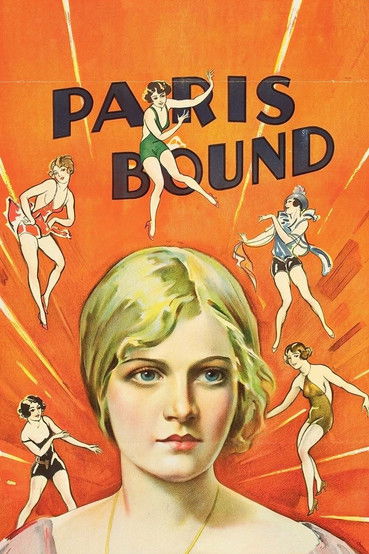
Paris Bound
1929
No user ratings available yet
Representation score: 4.5 out of 10

Representation Score
Limited
1931
NRDirector
Archie Mayo
Runtime
77 minutes
Average Rating
No ratings yetNew Showbiz Analysis
Illicit is a Pre-Code drama that stands out for its narrative subversion rather than broad demographic representation. While it lacks racial and LGBTQ+ diversity, it provides a progressive examination of gendered morality and situational ethics. The film challenges the era's standard of female submissiveness by allowing the protagonist to make independent choices. This offers a more nuanced exploration of individual influence compared to many films of the 1930s. However, the film remains confined by the production standards of the time, resulting in a homogeneous cast and a lack of representation for various identities and disabilities.
Category Breakdown
The film focuses solely on heterosexual relationships and infidelity. There is no indication of queer relationships or non-binary gender identities among the characters.
Jean Harlow's character demonstrates significant influence by prioritizing personal beliefs over societal norms. The story challenges the idea of female submissiveness by showing a woman making independent decisions.
The cast reflects the homogenous demographics typical of 1930s Hollywood. There is no evidence of diverse racial backgrounds or non-Anglo-Saxon characters influencing the narrative.
The narrative explores moral ambiguity by presenting 'illicit' actions as driven by emotional necessity. It questions the stability of marriage as a social institution, highlighting social pressures as disruptive forces.
There are no depictions of physical or neurodivergent disabilities among the main characters or plot development.
Present on Screen
Limited or Absent
Official Synopsis
Ann, a young woman with outrageously advanced ideas, has been living in sin with Dick, her lover, because of her conviction that marriage would destroy their love; but social pressure ends up paying off, so Ann and Dick get married.
1929
1932
1933
1920
1929
1952
1932

1930
No reviews yet. Be the first to share your thoughts on this movie!
Use the rating form above to leave a star rating and optional review.