
Illicit
1931
No user ratings available yet
Representation score: 2.8 out of 10
Representation Score
Minimal
1929
PassedDirector
William J. Cowen
Runtime
68 minutes
Average Rating
No ratings yetNew Showbiz Analysis
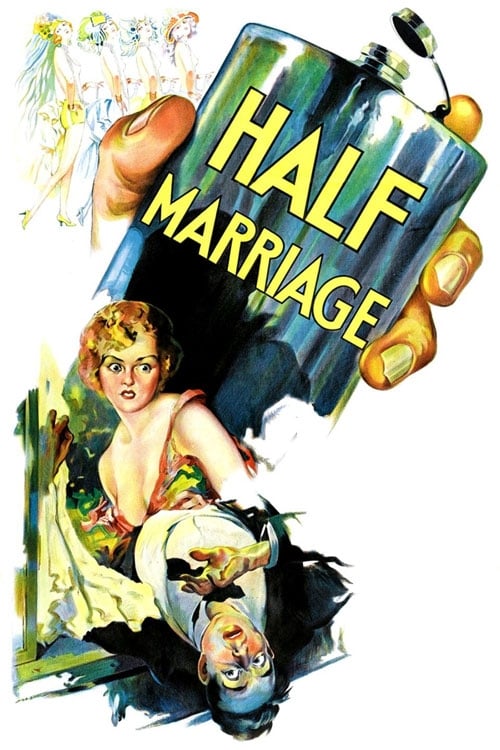
Half Marriage is a product of its time, focusing on traditional romantic conflicts and social tensions of the early 20th century. The narrative centers on a young woman's struggle for personal freedom against parental control and financial dependence. While the protagonist makes independent decisions, the film adheres to traditional melodramatic structures. It lacks the depth of diverse representation or systemic critiques found in more progressive cinema, resulting in a narrow focus on class and domestic life. Ultimately, the film serves as a character study of personal choices and their tragic outcomes within a conventional social framework, offering limited representation of diverse identities.
Category Breakdown
The film does not include any characters with non-straight identities. The story focuses on a traditional heterosexual relationship and a male love interest.
Judy exercises independence by secretly getting married, but she remains financially dependent on her family. Her freedom is constrained by unstable home life and tragic events.
The film seems to follow the era's practice of casting actors from similar backgrounds. There are no characters from non-Anglo-Saxon cultures in the main storyline.
The story examines the tension between personal desires and parental expectations. It functions as a character study within a conventional social context without challenging broader societal issues.
There is no mention of characters with physical, cognitive, or mental health conditions in this production.
Present on Screen
Limited or Absent
Official Synopsis
A young couple marries in secret. Judy's afraid her parents won't approve of Dick and she'll lose her generous allowance. Her parents bring her home from the city where she's been studying art and encourage the attentions of Tom, a persistent suitor. Judy and her jealous husband have an argument that leads her back to the city, a drunken, amorous Tom and a tragedy.
1931
1920
1922

1930
1934
1952
1925
1934
No reviews yet. Be the first to share your thoughts on this movie!
Use the rating form above to leave a star rating and optional review.