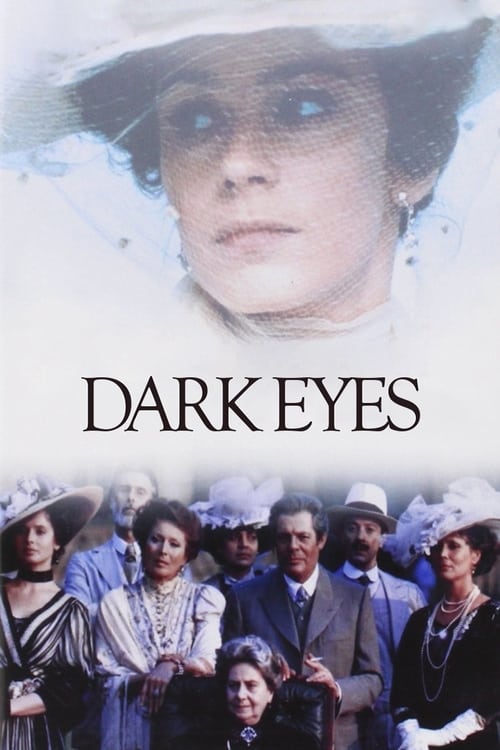
Dark Eyes
1987
No user ratings available yet
Representation score: 1.2 out of 10
Representation Score
Limited
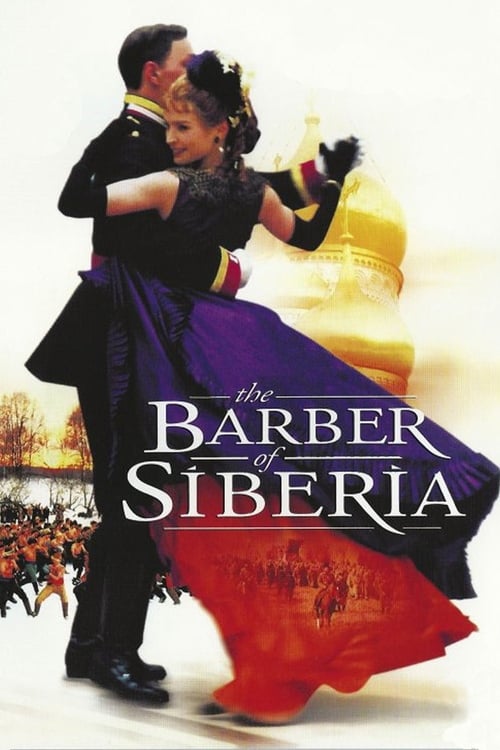
1998
PG-13Director
Nikita Mikhalkov
Runtime
180 minutes
Average Rating
No ratings yetNew Showbiz Analysis
The film is a sweeping historical epic that prioritizes romantic idealism and the deconstruction of aristocratic status. While it lacks LGBTQ+ and disability representation, it offers a critique of Imperial institutions. The narrative successfully uses character shifts to challenge rigid social structures. The protagonist's journey from nobleman to barber serves as a powerful commentary on class and state authority.
Category Breakdown
The film focuses solely on heterosexual relationships and does not include any queer subtext or non-cisgender identities.
Setemena acts as a catalyst for the protagonist's transformation, challenging traditional gender roles. However, her influence is often centered around her impact on male emotional states.
The cast primarily features characters from the 19th-century Russian ruling class. Cultural differences are introduced through French characters and the socioeconomic contrasts in Siberia.
The film critiques the oppressive authority of the Tsar and the Imperial bureaucracy. It portrays the protagonist's defiance of state laws as a necessary expression of personal truth.
There are no prominent depictions of visible or invisible disabilities that significantly impact the narrative or serve as central character arcs.
Present on Screen
Limited or Absent
Official Synopsis
Douglas is a foreign entrepreneur, who ventures to Russia in 1885 with dreams of selling a new, experimental steam-driven timber harvester in the wilds of Siberia. Jane is his assistant. On her travels, she meets two men who would change her life forever: a handsome young cadet Andrej Tolstoy with whom she shares a fondness for opera, and the powerful General Radlov who is entranced by her beauty and wants to marry her.
1987
1997
1980
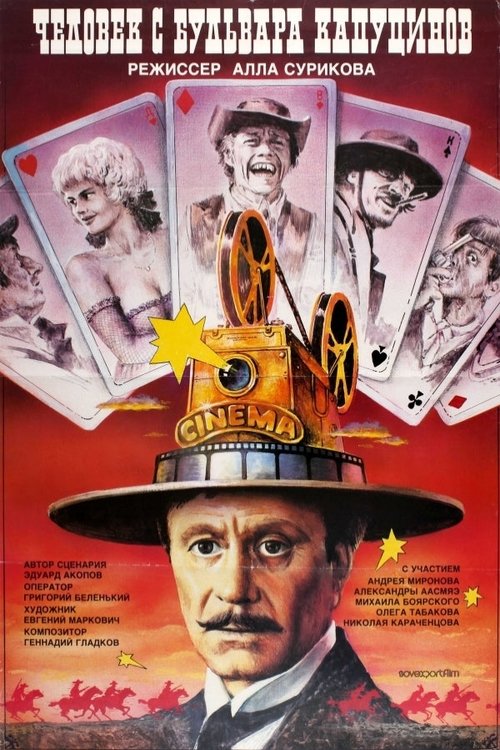
1987
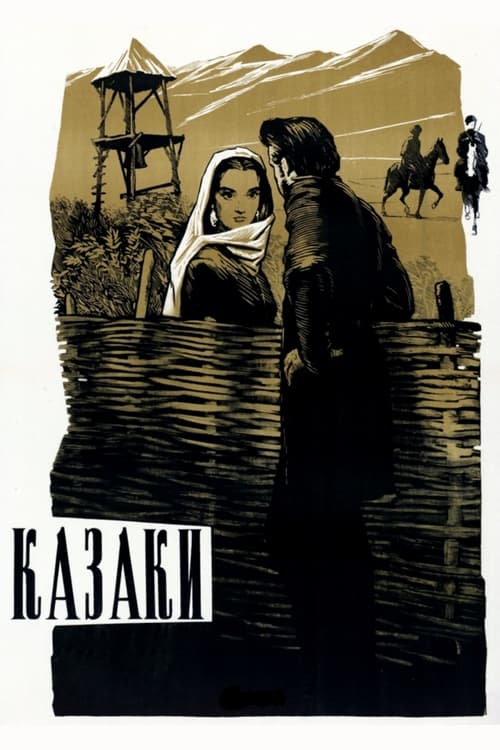
1961
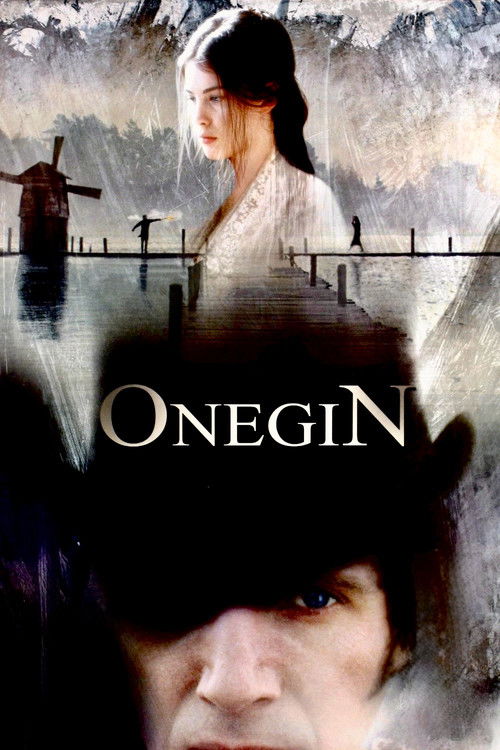
1999
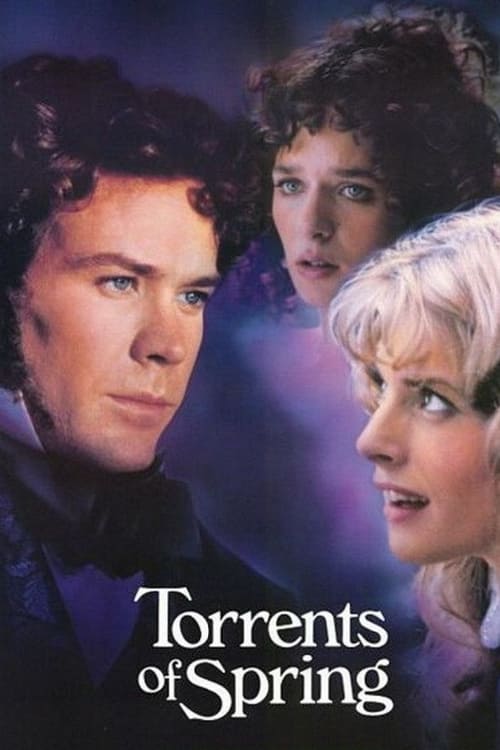
1989

2009
No reviews yet. Be the first to share your thoughts on this movie!
Use the rating form above to leave a star rating and optional review.