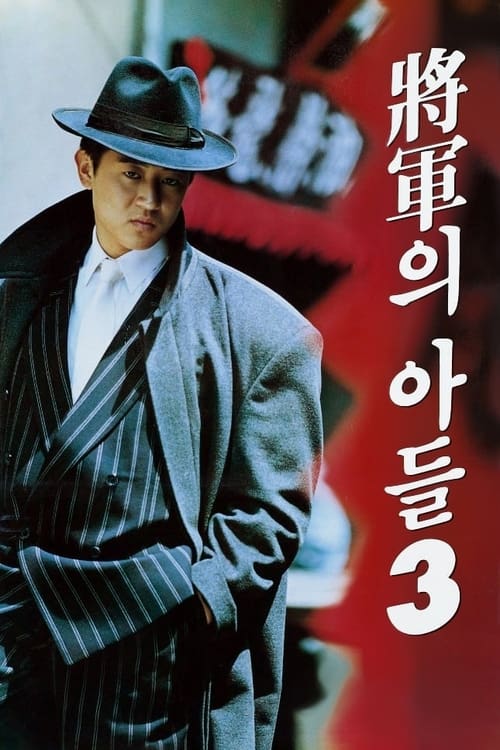
General's Son 3
1992
No user ratings available yet
Representation score: 3.2 out of 10

Representation Score
Limited
1991
Director
Im Kwon-taek
Runtime
103 minutes
Average Rating
No ratings yetNew Showbiz Analysis
Im Kwon-taek’s film is a period-specific action drama that leans heavily into traditional masculine clichés. While it lacks diversity in gender and LGBTQ+ representation, it finds its strength in exploring ethnic identity through a post-colonial lens. The narrative uses the struggle against Japanese influence to highlight Korean ability to act. This provides a meaningful look at racial and ethnic tensions, even if the film remains bound by the genre conventions of 1991. Ultimately, the work is a study of nationalism and patriarchal honor. It prioritizes historical and ethnic conflict over modern social inclusivity.
Category Breakdown
The film follows traditional masculine roles typical of early 90s action cinema. There are no queer narratives or non-traditional gender identities represented.
The story centers around Kim Du-han rebuilding a street gang, emphasizing traditional masculine leadership. The narrative prioritizes physical dominance and gang hierarchy over gender diversity.
The central conflict against Hayashi's Yakuzas examines ethnic tension and Korean ability to act. It provides a platform to explore post-colonial power dynamics and resistance to foreign influence.
The film engages with themes of nationalism and the preservation of local ability to act. It reinforces traditional notions of honor and patriarchal leadership common to the era.
There is no discernible evidence regarding the inclusion or portrayal of characters with physical or neurodivergent disabilities.
Present on Screen
Limited or Absent
Official Synopsis
Upon being released from prison, Kim Du-han begins rebuilding his street gang in the face of Hayashi's Yakuzas and increasing Japanese influence.
1992

2017

1990

1974

1991
1970

2019

1981
No reviews yet. Be the first to share your thoughts on this movie!
Use the rating form above to leave a star rating and optional review.