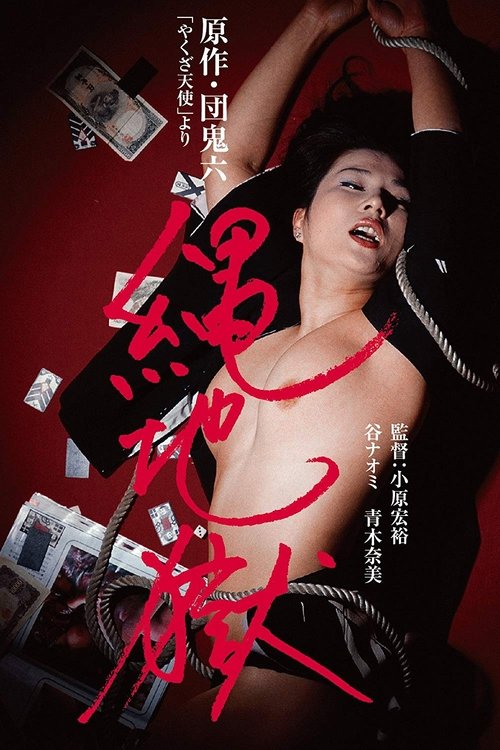
Rope Hell
1978
No user ratings available yet
Diversity score: 5.7 out of 10

1970
Director
Mamoru Watanabe
Runtime
70 minutes
Average Rating
No ratings yetSynopsis
The roaming outlaw Okayo, also known as Benten due to the prominent tattoo of the Buddhist Goddess of Love emblazoned across her back. On the run from her persecutors, who seek to claim the tattoo and its skin canvas as a bounty, Okayo finds a safe haven in the arms of the mysterious shakuhachi (bamboo flute) playing Seigaku, himself tattooed with the image of Kisshoten, the Goddess of Prosperity.
Overall Score
Fair
Category Breakdown
LGBTQ+ Representation
The film explores unconventional social bonds through the connection between Okayo and Seigaku. However, there is no explicit confirmation of non-heteronormative identities within the narrative.
Gender Representation
Okayo serves as a central protagonist with significant agency. As a roaming outlaw, she subverts traditional domestic roles and disrupts the gender hierarchies common in 1970s cinema.
Racial & Ethnic Diversity
This Japanese production offers a culturally specific perspective on crime. It provides a non-Western lens that challenges the dominance of Anglo-centric storytelling structures.
Religious & Cultural Diversity
The story uses religious iconography like Benten and Kisshoten to explore personal identity. It critiques the commodification of individuals by institutional powers and bounty systems.
Disability Representation
The film provides no evidence regarding the depiction of physical or neurodivergent disabilities.
Strengths
Areas for Improvement
AI Analysis
Women Hell Song centers on social outcasts who exist outside conventional legality. The narrative prioritizes the survival of marginalized individuals, specifically through the lens of characters whose bodies are treated as commodities by the state. The film succeeds in portraying female agency and critiquing systemic oppression. By focusing on a female fugitive, it moves away from passive character tropes and explores a more complex, gritty social landscape. However, the lack of explicit information regarding LGBTQ+ identities or disability representation limits the overall diversity impact. The film remains a culturally specific study of identity and survival.
1978
1963

1964
1971
1967
1985
1958
1967
1985
1971
1979
1974
No reviews yet. Be the first to share your thoughts on this movie!
Use the rating form above to leave a star rating and optional review.