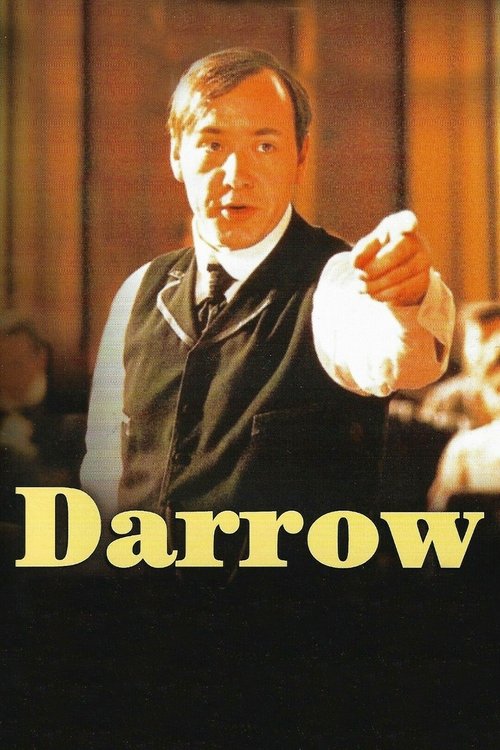
Darrow
1991
No user ratings available yet
Representation score: 6.0 out of 10

Representation Score
Limited
1988
Director
Isaac Artenstein
Runtime
105 minutes
Average Rating
No ratings yetNew Showbiz Analysis
Break of Dawn is a biographical drama that elevates a historically overlooked Latino figure. By focusing on Pedro J. Gonzalez, the film provides a platform for ethnic-specific political and media history, moving away from Anglo-centric historical perspectives. While the film excels in highlighting the political mobilization and ability to act of the Spanish-speaking community, it lacks broader characters who reflect more than one aspect of diversity. The narrative appears centered around a male political figure, which may reinforce traditional patriarchal structures.
Category Breakdown
The film does not include any characters with LGBTQ+ identities or visible non-cisgender genders.
The story focuses on a male political figure, which might reinforce traditional patriarchal structures. There are no specific details showing a challenge to gender hierarchies.
The film centers on a Latino protagonist, disrupting mainstream historical narratives. It highlights the ability to act of a minority figure within a historical context.
The narrative explores the rise of Spanish-language media and grassroots political mobilization. It examines the struggles of underrepresented groups to establish communication platforms.
There are no characters with visible or invisible disabilities in the film. The storyline does not focus on any disability-related themes.
Present on Screen
Limited or Absent
Official Synopsis
In 1930s Los Angeles, Mexican immigrant Pedro J. González becomes a pioneering Spanish-language radio star before being wrongly convicted and imprisoned at San Quentin.
1991
2007
1995
2011
2006
1985
1954

1984
No reviews yet. Be the first to share your thoughts on this movie!
Use the rating form above to leave a star rating and optional review.