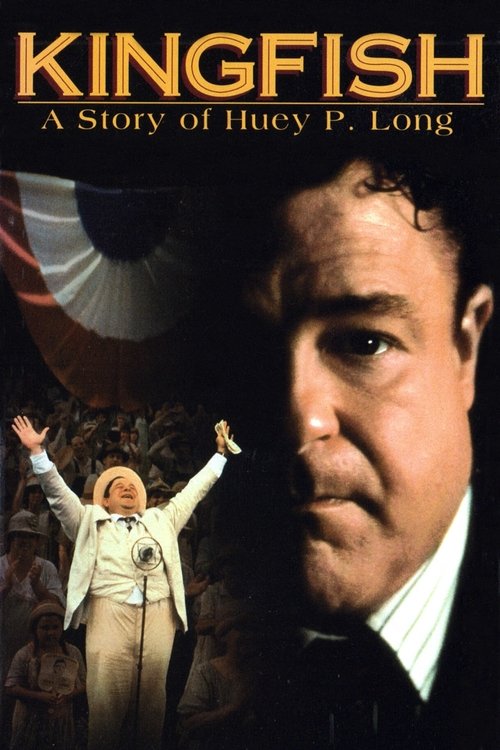
Kingfish: A Story of Huey P. Long
1995
No user ratings available yet
Representation score: 2.4 out of 10

Representation Score
Good
1984
PGDirector
Bill Duke
Runtime
118 minutes
Average Rating
No ratings yetNew Showbiz Analysis
The Killing Floor stands out as a powerful piece of historical revisionism. By centering the Black experience during the Great Migration, it successfully challenges the homogeneous, Anglo-centric narratives often found in industrial-era dramas. The film prioritizes the ability to act of characters of color as they navigate the intersection of racial segregation and class struggle. While the film is a triumph of racial and cultural representation, it remains limited in other areas. The focus on masculine-dominated labor environments and the absence of visible LGBTQ+ or disability-related narratives results in a more specialized scope of representation. Ultimately, the film's strength lies in its sophisticated critique of systemic economic power and its commitment to portraying the Black working class with depth and intentionality.
Category Breakdown
The film does not include explicit LGBTQ+ characters or stories that go beyond assuming everyone is straight. The story mainly focuses on the Great Migration, which usually emphasizes traditional family structures.
While the industrial setting favors masculine roles, the presence of Alfre Woodard and Mary Alice in top-billed roles offers significant female presence. This suggests potential for character development beyond just domestic roles.
The film excels by centering the Black experience within a historical framework. By focusing on a Black Southerner's migration, it disrupts traditional Anglo-centric views of American industrial history.
The narrative engages deeply with systemic critiques of the slaughterhouse industry and labor movements. It highlights the friction between the working class and corporate institutions through a lens of collective action.
There is no mention of characters navigating physical, sensory, or neurodivergent disabilities. No specific evidence is available to assess this category.
Present on Screen
Limited or Absent
Official Synopsis
During World War I, a poor black Southerner travels north to Chicago to get work in the city's slaughterhouses, where he becomes embroiled in the organized labor movement.
1995

1978
1991
1987
1974
1915

2020

1959
No reviews yet. Be the first to share your thoughts on this movie!
Use the rating form above to leave a star rating and optional review.