
Sitting on a Branch, Enjoying Myself
1989
No user ratings available yet
Representation score: 5.9 out of 10
Representation Score
Fair
1998
Director
Ivan Nitchev
Runtime
112 minutes
Average Rating
No ratings yetNew Showbiz Analysis
Ivan Nitchev’s drama focuses on the sociopolitical consequences of historical regimes and the fragmentation of community. Using the collapse of the socialist era as a backdrop, the film explores how political systems disrupt human connections and personal autonomy. While the film offers a meaningful critique of systemic divisions, it remains a localized narrative. It lacks the high-visibility multi-layered casting or diverse identity-driven architecture found in more globalized modern cinema. Ultimately, the work prioritizes historical memory and the subversion of domestic stability over broad demographic representation.
Category Breakdown
The film examines an affair that challenges traditional domestic stability but does not provide explicit evidence of queer identities or non-traditional gender expressions.
The story challenges traditional gender roles by focusing on an extramarital affair, emphasizing personal desire over social duty and moving away from conventional portrayals of domesticity.
Set in a specific Eastern European context, the cast and setting appear largely homogeneous, reflecting regional demographics without pursuing diverse racial blending.
The story critiques systemic structures like Communism, using the collapse of old social orders as a metaphor for human fragmentation.
There is no discernible evidence of physical or neurodivergent disabilities portrayed in this work.
Present on Screen
Limited or Absent
Official Synopsis
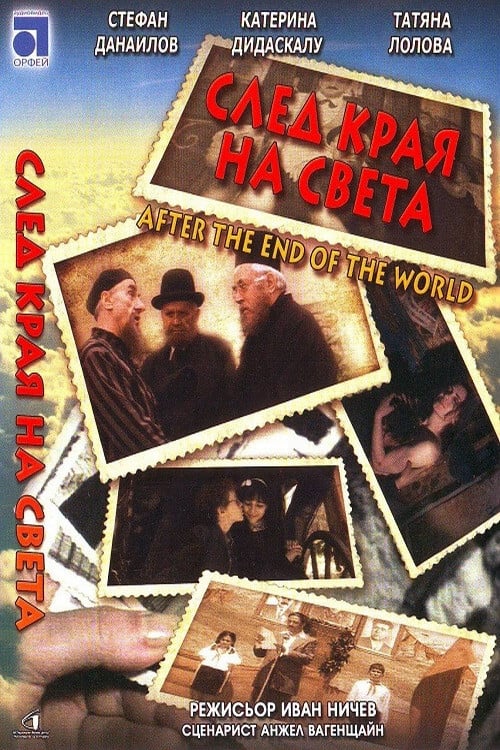
Two friends (Katarina Didaskalou, Stefan Danailov) are separated when their village is divided by Communism, but they meet again 40 years later and begin having an affair.
1989

1980

2010

2006

2018

2018
1992
2017
No reviews yet. Be the first to share your thoughts on this movie!
Use the rating form above to leave a star rating and optional review.