
Open the Wall
2014
No user ratings available yet
Representation score: 3.8 out of 10
Representation Score
Good
2017
Director
Matti Geschonneck
Runtime
100 minutes
Average Rating
No ratings yetNew Showbiz Analysis
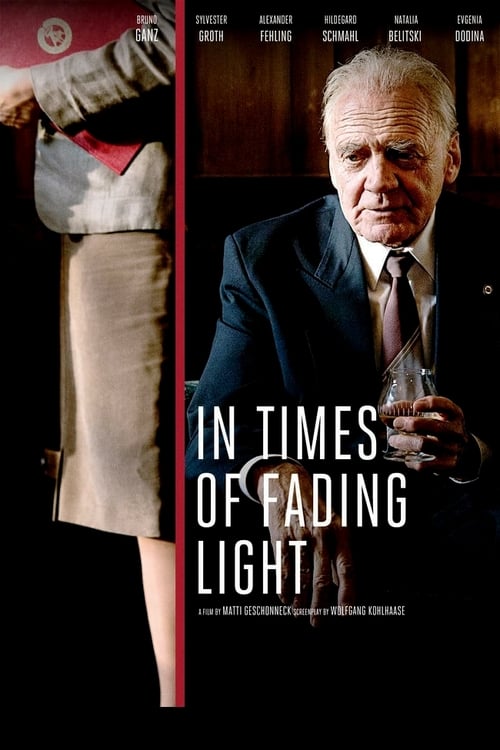
In Times of Fading Light uses the collapse of the GDR to deconstruct the stability of the traditional family unit. It succeeds as a sophisticated critique of institutional power and systemic transition. The film's demographic diversity is naturally limited by its specific historical and geographical setting. While this limits racial and multi-layered breadth, the narrative provides depth through its exploration of psychological and social fragmentation. Ultimately, the work prioritizes a nuanced examination of how macro-political shifts impact micro-level family dynamics, replacing perceived sanctity with a complex view of human ability to act.
Category Breakdown
The film touches on identity fluidity within a restrictive environment, but LGBTQ+ character arcs remain secondary to the broader sociopolitical critique of the East German state.
Women play central roles in navigating the psychological aftermath of systemic collapse. The narrative challenges traditional patriarchal hierarchies by showing how masculine authority fails during political shifts.
The cast reflects the demographic reality of 1989 East Germany. This focus on a homogeneous social group limits diverse racial representation within the family unit.
The film excels at critiquing institutional stability and state loyalty. It portrays the GDR as a source of social breakdown rather than a benevolent protector.
There is no explicit evidence of neurodivergent or physically disabled characters. The focus remains on the psychological instability of a society losing its ideological footing.
Present on Screen
Limited or Absent
Official Synopsis
Just before the fall of the Berlin Wall, the birthday celebrations of an East German family turn into a tragicomical moment of political and personal breakdown.
2014
2003

2019

1999

2009

2016

2018
1992
No reviews yet. Be the first to share your thoughts on this movie!
Use the rating form above to leave a star rating and optional review.