Man Push Cart
2006
No user ratings available yet
Diversity score: 5.2 out of 10
2005
Director
Jan Dunn
Runtime
98 minutes
Average Rating
No ratings yetSynopsis
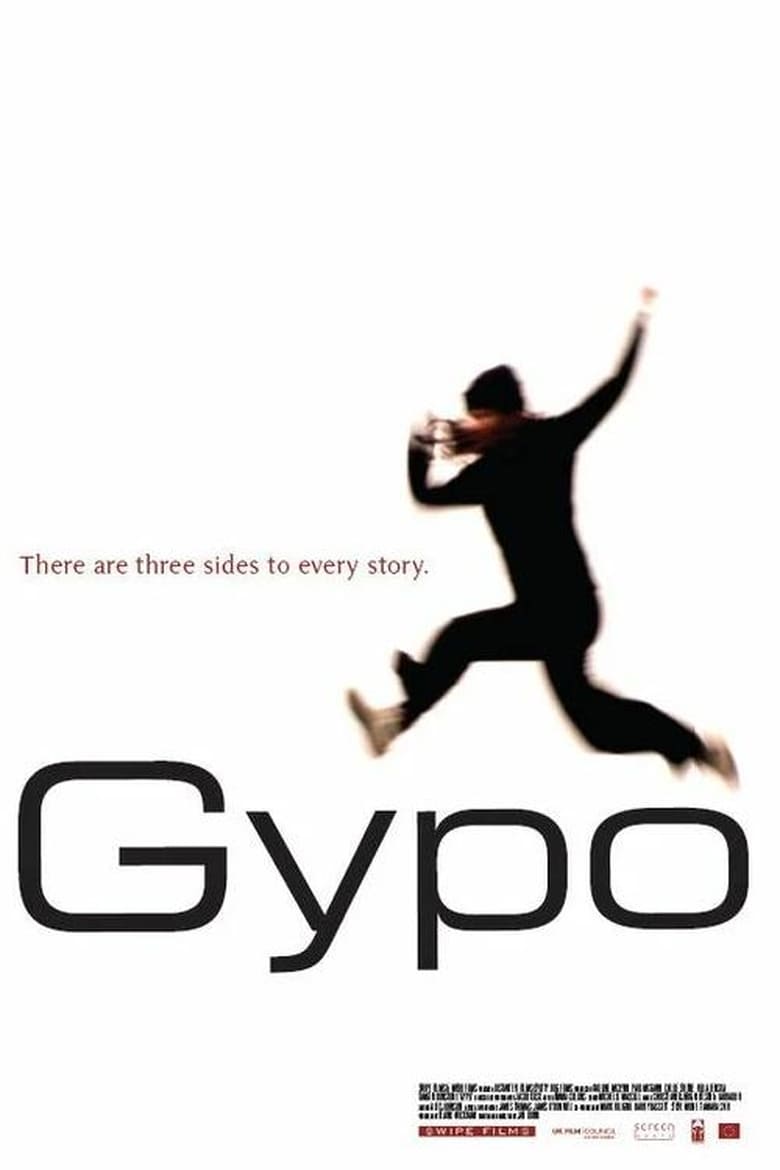
Gypo is the story of a working class family in Margate, Kent, a town where immigrants have become the focus of most of the public's discontent. The film tells the story of the a couple of weeks in this family's life, beginning when a young Czech girl, Tash, comes to visit. The film is made in the Dogme95 tradition, so no costumes, no lighting, no props or sets, which gives the film a gritty texture appropriate to the story.
Overall Score
Fair
Category Breakdown
LGBTQ+ Representation
The film lacks prominent LGBTQ+ characters or storylines. The narrative focuses strictly on the immediate survival and interpersonal volatility of the central family unit.
Gender Representation
Gender roles are depicted as being heavily shaped by poverty and survival. While the film avoids stable leader archetypes, it does not explicitly subvert gender hierarchies through empowerment.
Racial & Ethnic Diversity
The film excels by centering the Romani/Traveller community. It grants these characters agency and challenges the Anglo-centric lens often found in British drama.
Religious & Cultural Diversity
The story provides a profound critique of Western socioeconomic structures. It frames survival tactics as systemic byproducts of class exclusion and economic neglect.
Disability Representation
There is no significant or intentional focus on neurodivergence or physical disability. Character struggles are defined by socioeconomic status and ethnic identity instead.
Strengths
Areas for Improvement
AI Analysis
Gypo is a gritty exercise in British Social Realism that uses the Dogme95 aesthetic to confront the raw realities of the Romani/Traveller community. By stripping away cinematic artifice, the film prioritizes the lived experiences of marginalized groups over polished spectacle. The film's strength lies in its refusal to view its protagonists through a traditional Anglo-centric lens. It successfully centers a community often relegated to the periphery, using their cultural perspectives to drive the narrative. However, the narrow focus on socioeconomic survival limits the scope of representation. The absence of LGBTQ+ and disability-centric narratives results in a moderate overall score despite the film's powerful cultural critique.
2006
2005
1975

2004

2020
2013
2009

1991
2015

2009
2006
2016
No reviews yet. Be the first to share your thoughts on this movie!
Use the rating form above to leave a star rating and optional review.