
The Trap
2007
No user ratings available yet
Representation score: 4.8 out of 10
Representation Score
Fair
2013
Director
Danis Tanović
Runtime
75 minutes
Average Rating
No ratings yetNew Showbiz Analysis
Danis Tanović creates a minimalist character study that emphasizes a critique of societal institutions over identity politics. By focusing on the lived experiences of the Balkan working class, the film avoids Western-centric uniformity. Though the film lacks representation of LGBTQ+ identities, it effectively exposes the failures of healthcare and capitalism through a medical emergency. Ultimately, the work is a focused examination of how socioeconomic hierarchies affect individual survival, making it a strong critique of institutional power.
Category Breakdown
The film does not include any LGBTQ+ characters or stories. The narrative centers on the survival of a traditional family during an economic crisis.
The story follows conventional gender roles, where the female lead drives the main conflict, while masculinity is linked to physical labor and providing for the family.
The film presents a genuine depiction of the Balkan experience using a local, non-Anglo-Saxon cast to anchor the story in a specific cultural context.
The story critiques institutional structures and systemic neglect. It portrays the working class fighting against an uncaring, bureaucratic healthcare system.
The plot revolves around a medical crisis involving pregnancy complications, highlighting the intersection of physical vulnerability and socioeconomic challenges.
Present on Screen
Limited or Absent
Official Synopsis
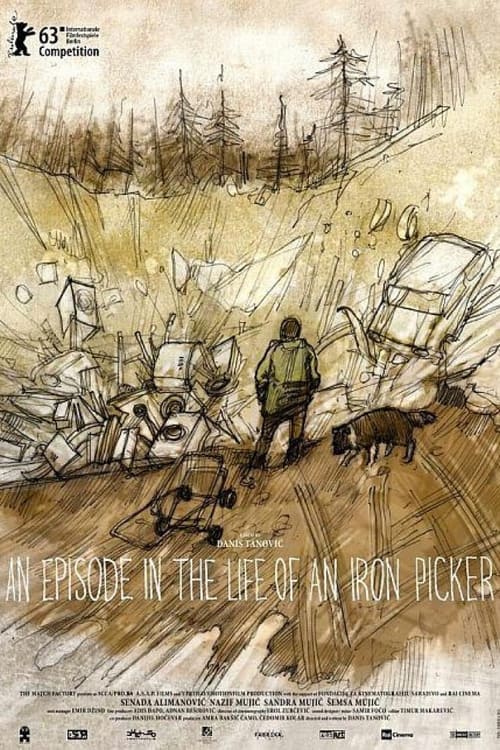
Senada is 31 and she lives in Poljice neighborhood in Lukavac municipality with her partner and two daughters. She is pregnant with her third child for approximately five months. Since she didn’t have health insurance, she does not go to the doctor’s. When she started bleeding, she goes to the hospital. The doctor told Senada that she needs an emergency surgery and she needs to pay 500 EUR. Without a health insurance card and without money, Senada returns home.
2007
1994

2016

2005

2007
2009

2021

2018
No reviews yet. Be the first to share your thoughts on this movie!
Use the rating form above to leave a star rating and optional review.