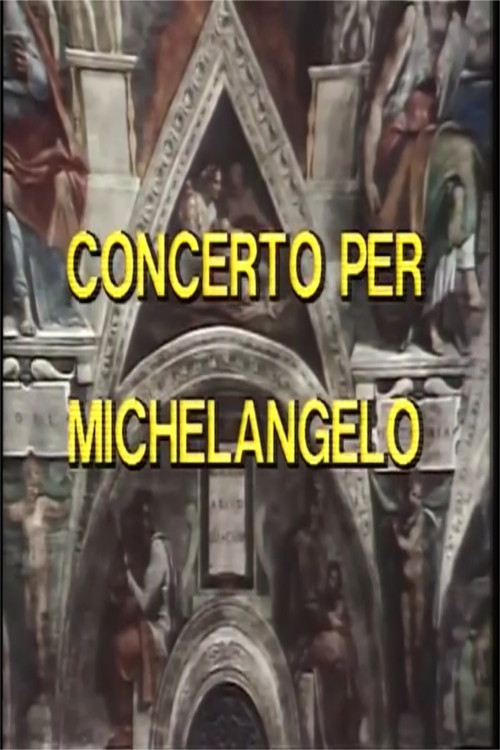
Concert for Michelangelo
1977
No user ratings available yet
Representation score: 1.2 out of 10
Representation Score
Minimal
2004
GDirector
Michelangelo Antonioni
Runtime
18 minutes
Average Rating
No ratings yetNew Showbiz Analysis
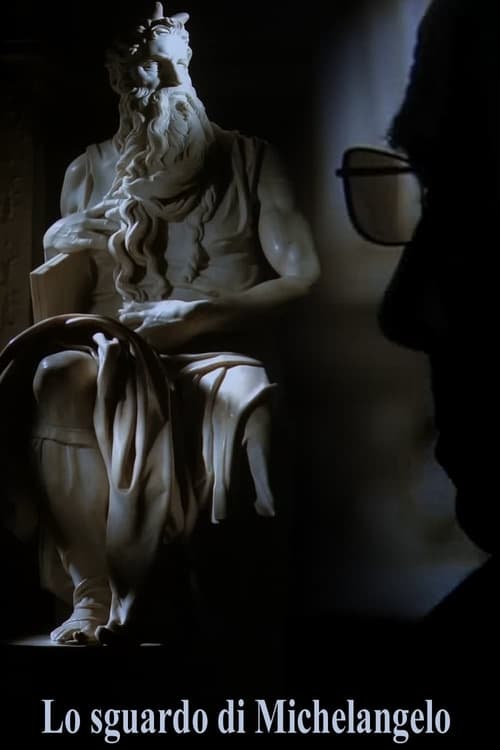
Michelangelo Antonioni’s short documentary is an exercise in minimalist cinema. By focusing on the silent observation of Michelangelo Buonarroti’s Moses sculpture, the film prioritizes aesthetic and existential contemplation over social narratives. Since the film lacks characters, dialogue, or interpersonal conflicts, it cannot explore identity politics or characters who reflect more than one aspect of diversity. The film remains neutral, neither actively promoting nor subverting traditional social hierarchies. Ultimately, the film serves as a meditative study of art and space, but its narrow focus on a specific historical monument limits its engagement with broader themes of human diversity.
Category Breakdown
This documentary focuses on a Renaissance sculpture and architectural space, with no characters or narratives related to LGBTQ+ identities.
The film centers on a historical male-authored artwork and lacks characters or plots that explore gender dynamics or hierarchies.
The subject matter is limited to a specific historical monument in Rome, and there is no diverse cast or exploration of racial and ethnic backgrounds.
While rooted in Western classical traditions, the film emphasizes a contemplative, secular perspective rather than religious doctrine.
The documentary does not include any characters or subjects with physical, neurodivergent, or sensory disabilities.
Present on Screen
Limited or Absent
Official Synopsis
In this short documentary, Michelangelo Antonioni enters the church of San Pietro in Vincoli in Rome to contemplate Michelangelo Buonarroti’s statue of Moses. The film consists of Antonioni’s silent observation of the sculpture and the surrounding space, recorded during a visit following the restoration of the monument.
1977
1950

2021
2018

2016

2021
2016

2025
No reviews yet. Be the first to share your thoughts on this movie!
Use the rating form above to leave a star rating and optional review.