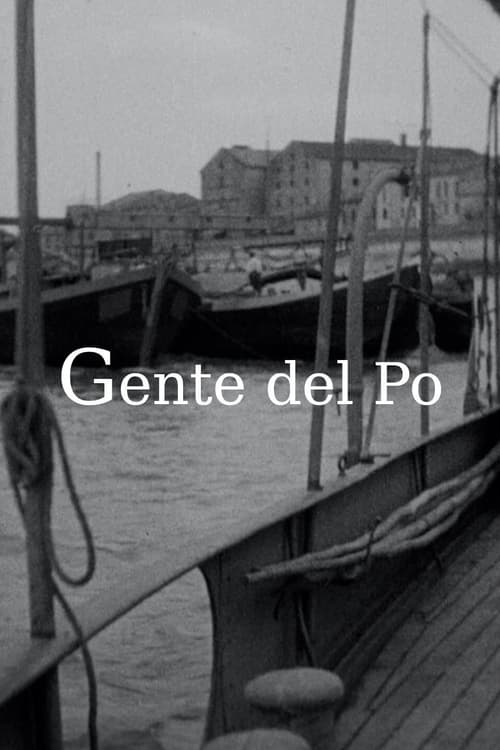
People of the Po Valley
1947
No user ratings available yet
Representation score: 3.2 out of 10
Representation Score
Fair
1949
Director
Michelangelo Antonioni
Runtime
11 minutes
Average Rating
No ratings yetNew Showbiz Analysis
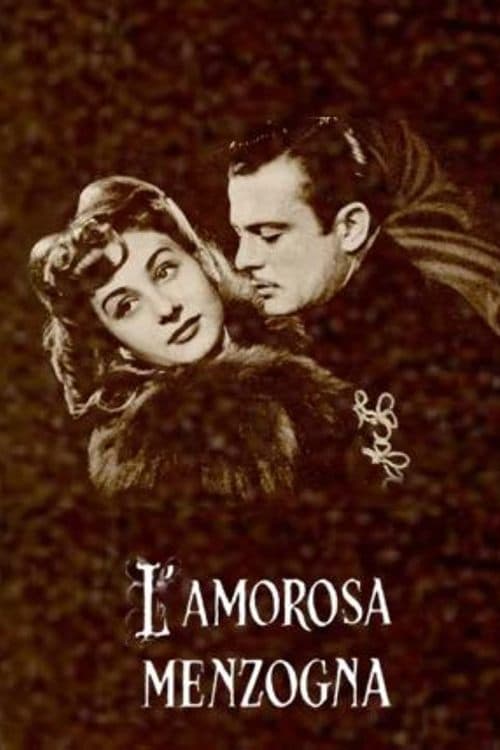
Michelangelo Antonioni’s early documentary provides a sophisticated critique of the artifice of mass media. By contrasting the hyper-romantic personas of photo-comic models with their everyday lives, the film disrupts the illusion of heroic archetypes. Though the film is intellectually progressive in its critique of media-driven perceptions, it remains demographically limited. Its subjects reflect the specific cultural and racial homogeneity of 1949 Italy, focusing on a localized phenomenon. Ultimately, the film’s strength lies in its structural deconstruction of gendered and romantic clichés rather than its broad demographic representation.
Category Breakdown
The film focuses on heterosexual romance but does not include non-cisgender identities. It criticizes the rigid, staged nature of these romantic archetypes.
The documentary challenges traditional gender roles by exposing the labor behind manufactured feminine ideals. It avoids portraying women solely as romantic objects.
The subjects represent the demographic homogeneity of postwar Italy. The film is confined to a localized, era-specific cultural phenomenon.
The work excels at critiquing mass culture institutions and how media constructs truth. It emphasizes complex, observational reality over idealized storytelling.
There is no representation of physical or neurodivergent disabilities.
Present on Screen
Limited or Absent
Official Synopsis
This short documentary explores the world of Italian photo comics (fumetti), focusing on the models who posed as romantic heroes and heroines for popular illustrated stories. By contrasting their staged screen personas with their everyday lives, the film offers an observational look at a mass-culture phenomenon in postwar Italy.
1947
1965
1948
1948
1948
1974

2013

1970
No reviews yet. Be the first to share your thoughts on this movie!
Use the rating form above to leave a star rating and optional review.