Ruhr
2009
No user ratings available yet
Representation score: 0.3 out of 10
Representation Score
Minimal
2014
Director
James Benning
Runtime
77 minutes
Average Rating
No ratings yetNew Showbiz Analysis
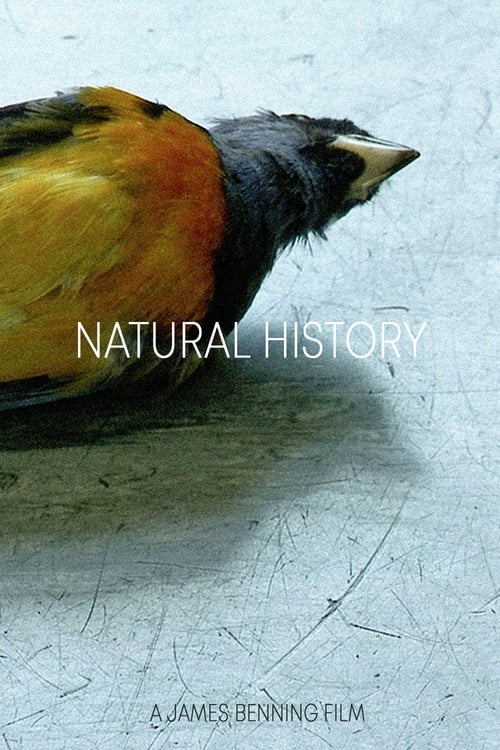
James Benning’s *Natural History* is a formalist, structuralist documentary that uses 54 static long takes to observe the Natural History Museum in Vienna. By focusing on restricted areas like offices and storerooms, the film prioritizes architectural stillness over human narrative. Since the work intentionally removes the human element to focus on the essence of objects and spaces, it exists outside the traditional parameters of identity politics. It does not provide a platform for storytelling that reflects multiple aspects of identity. While the film contributes to postmodern theory by disrupting narrative norms, it lacks the human ability to act needed to address social identity or systemic representation.
Category Breakdown
The film focuses on the stillness of museum interiors and lacks human characters, dialogue, or interpersonal dynamics. Therefore, it does not depict or hint at any LGBTQ identities.
The film centers on physical environments and the passage of time, without featuring human subjects. Thus, it does not engage with or reinforce any gender hierarchies or stereotypes.
The work focuses on the stillness of museum interiors and institutional spaces. Since there are no human characters, it does not represent any racial or ethnic identities.
The film's score follows a formalist approach that disrupts conventional Western storytelling expectations. It emphasizes a structuralist framework over traditional cinematic spectacle.
The film contains no human characters. Consequently, it does not address neurodivergence, physical disabilities, or sensory impairments through any form of characterization.
Present on Screen
Limited or Absent
Official Synopsis
In 54 static shots, Benning provides a picture of the Natural History Museum in Vienna. With the exception of the first three shots, he chooses areas that are normally closed to the public: offices, store rooms and empty corridors. A characteristically meditative Benning, even though this time he chooses to stay indoors.
2009
2013

2004

2014

2004
2010
2012
2001
No reviews yet. Be the first to share your thoughts on this movie!
Use the rating form above to leave a star rating and optional review.