Leonardo da Vinci: The Genius in Milan
2016
No user ratings available yet
Representation score: 1.1 out of 10
Representation Score
Minimal
1950
Not RatedDirector
Curt Oertel, Richard Lyford, Robert Flaherty
Runtime
70 minutes
Average Rating
No ratings yetNew Showbiz Analysis
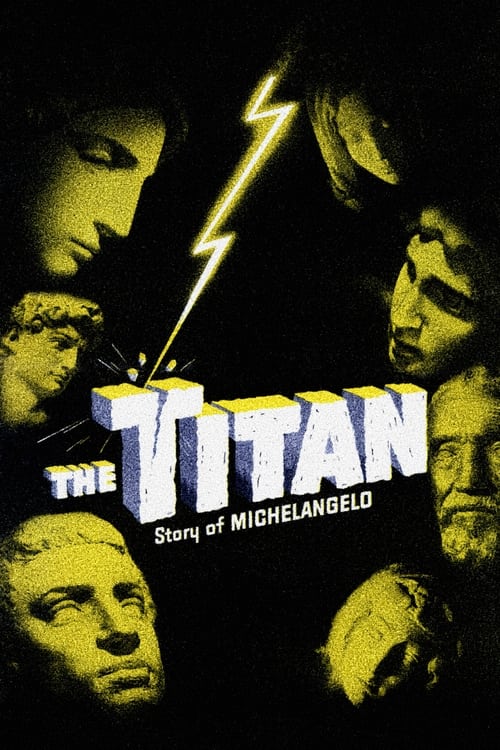
This 1950 documentary preserves a traditional view of Western art history, centered around Michelangelo's singular genius. It adheres to mid-20th-century biographical norms, focusing on a male protagonist within a homogeneous European context. The film lacks any challenge to traditional hierarchies or representation of diverse lived experiences, instead celebrating classical achievement.
Category Breakdown
The film follows a traditional biography of Michelangelo, focusing solely on his professional achievements without mentioning any LGBTQ identities or same-sex relationships.
The narrative highlights the male perspective in the Renaissance, emphasizing the 'Great Man' theory of history. It lacks any significant female presence or influence.
The film's visuals reflect a homogeneous European setting, consistent with the Italian Renaissance period. There is no indication of racial diversity or inclusion in the subject matter.
The documentary celebrates the Western classical tradition and the connection between art and the Catholic Church. It portrays the patronage system as a standard part of cultural production without questioning its underlying structures.
The film does not address issues related to neurodivergence, physical disabilities, or mental health. The focus remains on the physical skills required for sculpture and painting.
Present on Screen
Limited or Absent
Official Synopsis
The life and works of the great artist Michelangelo Buonarroti are shown against the historical background of his time. It begins with his earliest artworks, and follows his life and career as he achieves lasting fame. The documentary includes detailed looks at some of the artist's most renowned creations. American heavily re-edited version of the Swiss 1938 film Michelangelo: Das Leben eines Titanen, with new footage shot by Robert J. Flaherty added. Preserved by the Academy Film Archive in 2005.
2016

2021
1954
2022
2004
2019

1987
2018
No reviews yet. Be the first to share your thoughts on this movie!
Use the rating form above to leave a star rating and optional review.