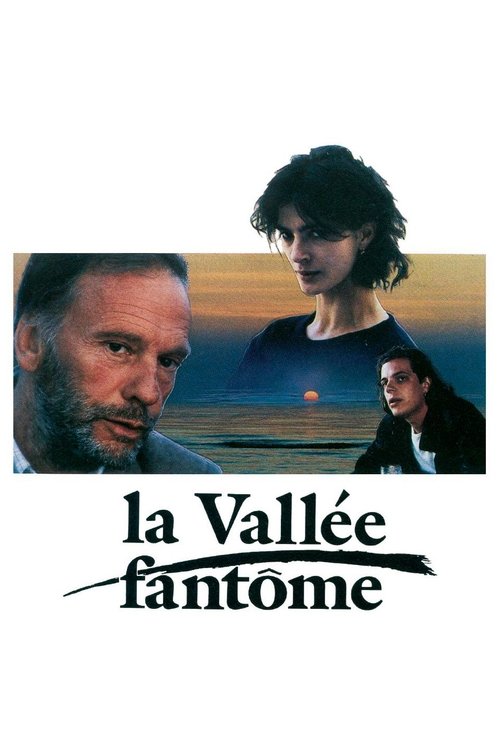
The Ghost Valley
1987
No user ratings available yet
Diversity score: 5.8 out of 10
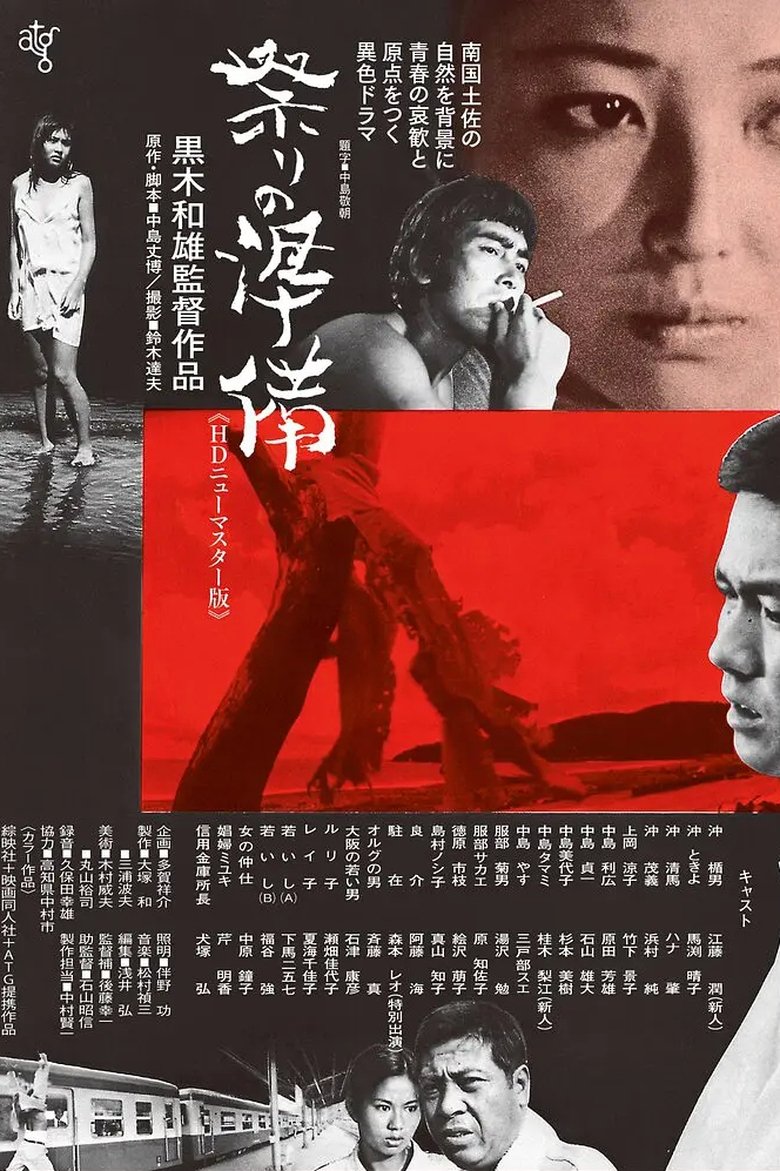
1975
Director
Kazuo Kuroki
Runtime
117 minutes
Average Rating
No ratings yetSynopsis
Tateo, young and neurotic, wishes to leave the village his mother has raised him in.
Overall Score
Fair
Category Breakdown
LGBTQ+ Representation
The film focuses on heteronormative dynamics, specifically infidelity and familial neuroses. There is no explicit evidence of LGBTQ+ identities or queer perspectives within the narrative.
Gender Representation
The film subverts traditional hierarchies by portraying a mother-dominated household. The mother acts as a constricting force, while the father is depicted as an unstable, philandering figure.
Racial & Ethnic Diversity
The setting depicts a culturally homogeneous Japanese village. The narrative uses this social insularity as a metaphor for the protagonist's feeling of being trapped.
Religious & Cultural Diversity
Traditional communal and family structures are portrayed as oppressive and psychologically damaging. The film avoids idealized depictions, showing parents with significant flaws like alcoholism and neurosis.
Disability Representation
No formal depictions of physical or neurodivergent disabilities are present. Character neuroses appear to be social traits rather than representations of specific mental health conditions.
Strengths
Areas for Improvement
AI Analysis
Kazuo Kuroki’s drama succeeds as a psychological deconstruction of provincial life. It avoids the trap of presenting the traditional family as a moral anchor, instead using flawed characters to critique social claustrophobia. The film's strength lies in its subversion of patriarchal norms and its focus on individual liberation. However, the film remains limited by its cultural homogeneity and lack of queer representation. While it critiques social structures, it does so through a lens of traditional interpersonal transgressions rather than diverse identity politics.
1987
1985
1975
1972

1978

1965

2019
2004

1987
1985
1970

1956
No reviews yet. Be the first to share your thoughts on this movie!
Use the rating form above to leave a star rating and optional review.