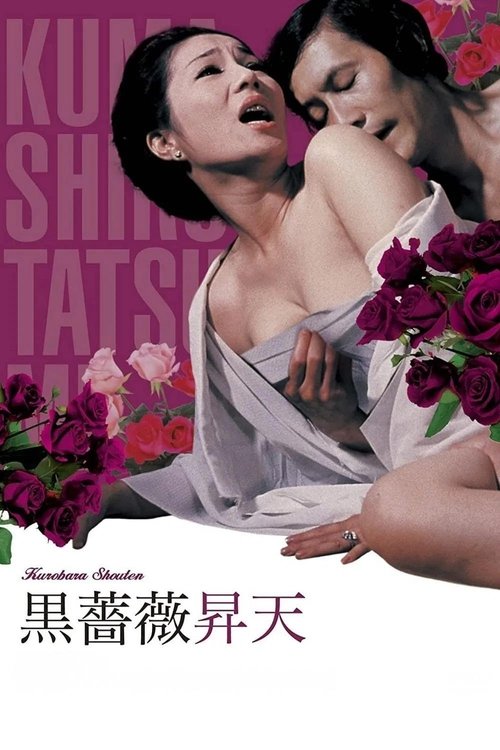
Ecstasy of the Black Rose
1975
No user ratings available yet
Diversity score: 6.1 out of 10

1987
Director
Alain Tanner
Runtime
102 minutes
Average Rating
No ratings yetSynopsis
The efforts of an aspiring filmmaker to include an unwilling woman in his production.
Overall Score
Fair
Category Breakdown
LGBTQ+ Representation
The film lacks explicit confirmation of queer identities. However, Tanner’s history of exploring fluid human desire suggests a potential for non-traditional relational structures.
Gender Representation
The narrative centers on a woman resisting a male filmmaker's gaze. This conflict serves to assert her agency and disrupt the trope of the passive female muse.
Racial & Ethnic Diversity
The cast likely reflects the Swiss/European demographic of the era. While the film focuses on universal existential themes, there is no explicit evidence of high-agency characters of color.
Religious & Cultural Diversity
The story prioritizes individual autonomy over institutionalized structures. It explores the tension between a structured creative system and the subjective truth of the individual.
Disability Representation
There is no evidence of characters with visible or invisible disabilities within the narrative.
Strengths
Areas for Improvement
AI Analysis
Alain Tanner’s work typically deconstructs social hierarchies and explores the alienation of the individual. In *The Ghost Valley*, this manifests as a struggle for agency between a filmmaker and his subject. The film moves away from traditional plot progression to focus on the ethics of representation. While the film lacks specific demographic data, its core conflict suggests a subversion of the observer/observed hierarchy. The woman's resistance to being captured by the lens provides a framework for challenging conventional gender and power dynamics.
1975

2018
1975
2019

1992
1989
2019

2017

2023
1990

1993

1990
No reviews yet. Be the first to share your thoughts on this movie!
Use the rating form above to leave a star rating and optional review.