
Awake: The Life of Yogananda
2014
No user ratings available yet
Representation score: 4.0 out of 10
Representation Score
Limited
2017
NRDirector
John Griesser
Runtime
90 minutes
Average Rating
No ratings yetNew Showbiz Analysis
The documentary excels as a study of spiritual globalization and cross-cultural exchange. It effectively captures the friction between Eastern metaphysical frameworks and Western materialist structures during the 1960s and 70s. However, the film's focus is heavily patriarchal, centering on a single male figure. This limits gender diversity and leaves modern identity-based narratives, such as LGBTQ+ representation, entirely unaddressed. Ultimately, the film's strength lies in its depiction of how non-Western traditions challenged Western social and economic hegemony, providing a nuanced view of globalized spiritual identity.
Category Breakdown
The film does not explore LGBTQ+ identities or provide character arcs for non-cisgender individuals. The narrative focuses on traditional monastic devotion and spiritual lineage.
The film centers on the male founder, Srila Prabhupada, reflecting a traditional hierarchical structure. While Western converts are likely present, the focus remains on a singular male patriarch.
The documentary highlights the blending of Indian practitioners and Western converts, showing high racial diversity. It documents Indian spiritual leadership entering a Western context.
The film examines post-colonial cultural exchange and Eastern spiritual frameworks. It highlights the tension between non-Western rituals and Western materialist, capitalist consumerism.
The film documents the life of an elderly individual, but disability or neurodivergence is not a central narrative device or primary subject.
Present on Screen
Limited or Absent
Official Synopsis
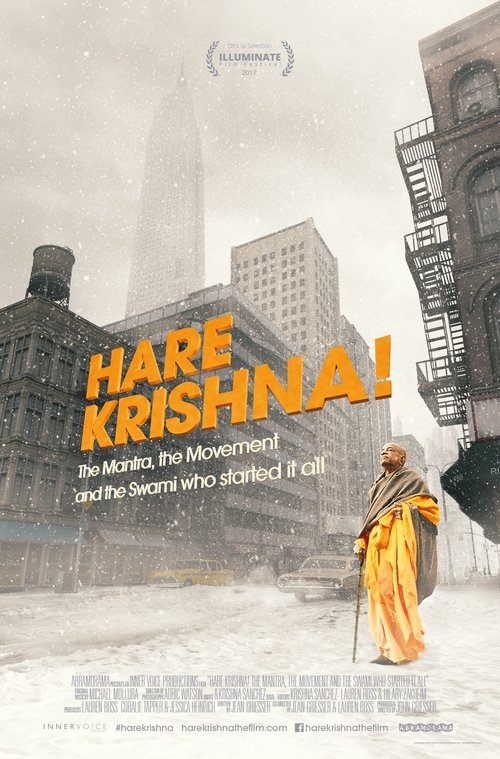
"Hare Krishna!" is a documentary on the life of Srila Prabhupada, the 70-year-old Indian Swami who arrives in America without support or money and ignites a worldwide spiritual phenomenon, now known as the Hare Krishna Movement.
2014
2016
2017

2014

2010
2019
2005

2011
No reviews yet. Be the first to share your thoughts on this movie!
Use the rating form above to leave a star rating and optional review.