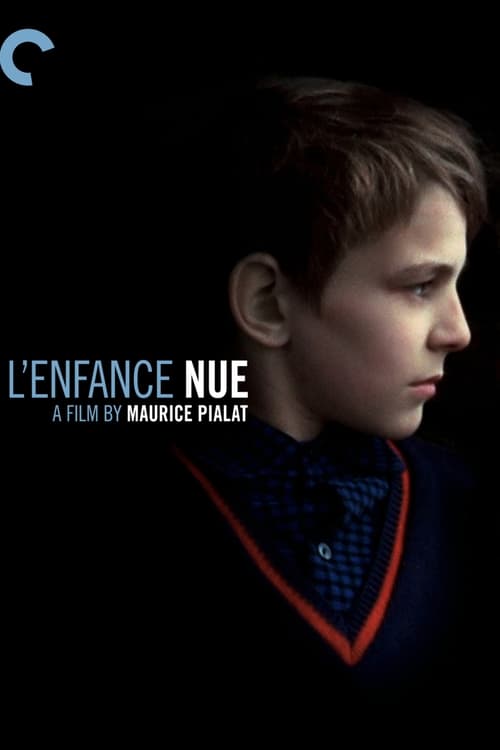
Naked Childhood
1969
No user ratings available yet
Representation score: 7.6 out of 10

Representation Score
Limited
1966
Director
Jean Chapot
Runtime
88 minutes
Average Rating
No ratings yetNew Showbiz Analysis
La Voleuse is a mid-century French drama that emphasizes psychological realism over broad demographic representation. The narrative centers on a high-stakes struggle for maternal autonomy within a strict social framework. However, the film lacks diversity. It operates within the homogenous social constraints of 1966 France, offering little in the way of racial, ethnic, or LGBTQ+ representation. The focus remains on the individual's conflict with traditional family institutions. Ultimately, the film serves as a period-specific social drama. While it challenges some traditional hierarchies, it does not engage with broader diversity of identity or culture.
Category Breakdown
The film does not include any explicit LGBTQ+ characters or narratives. The main conflict revolves around a traditional maternal relationship without showing any non-traditional gender identities.
A female character leads the story, fighting for independence against the foster care system. While she challenges traditional gender roles, the portrayal may reinforce outdated stereotypes about unmarried mothers from the 1960s.
The film seems to take place in a homogeneous social environment with no indication of ethnic diversity or varied casting.
The story examines the tension between individual desires and institutionalized family correctness during the mid-1960s. It critiques the moral structures of that time through the lens of social non-conformity.
There is no information about characters with physical or neurodivergent disabilities.
Present on Screen
Limited or Absent
Official Synopsis
Drama of an unmarried mother who regrets having had her child fostered and fights its foster parents to have it restored to her.
1969

1989

1954

1961

1966

1957

1966
1995
No reviews yet. Be the first to share your thoughts on this movie!
Use the rating form above to leave a star rating and optional review.