
Die Mauer – Berlin '61
2006
No user ratings available yet
Representation score: 3.1 out of 10
Representation Score
Fair
2010
Director
Kristijonas Vildžiūnas
Runtime
90 minutes
Average Rating
No ratings yetNew Showbiz Analysis
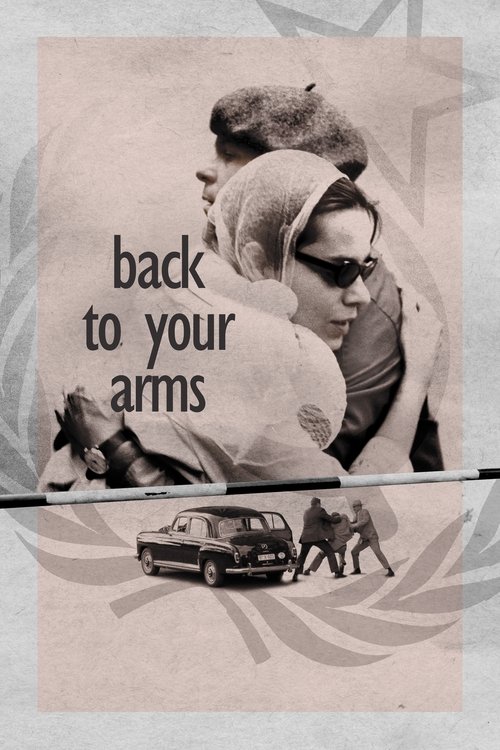
Back to Your Arms is a historical drama that prioritizes period-specific realism over diverse representation. It focuses on the emotional and physical distance between a father and daughter during the Cold War. The film effectively critiques state-sponsored oppression and the weaponization of familial bonds by intelligence agencies. However, this thematic depth does not extend to demographic diversity, as the narrative stays within a traditional framework. Ultimately, the film's emphasis on the geopolitical tensions of 1961 Berlin leads to a homogeneous cast and a lack of representation for LGBTQ+ and disabled communities.
Category Breakdown
The film does not feature any LGBTQ+ characters or stories. The main storyline revolves around a traditional father-daughter relationship without exploring non-straight identities.
Gender roles are examined through vulnerability and geopolitical restrictions. The female protagonist demonstrates strong influence, while the male protagonist loses his traditional authority due to state interference.
The cast is predominantly uniform, reflecting the historical context of 1960s Lithuania and Berlin. It does not use diverse casting to explore multiple aspects of identity.
The film criticizes institutional oppression by portraying the KGB as a predatory force. It emphasizes individual morality rather than explicit political statements.
There are no characters with visible or invisible disabilities integrated into the story or serving as central plot drivers.
Present on Screen
Limited or Absent
Official Synopsis
1961. Father and daughter, separated during World War II, are trying to meet in Berlin. He comes to Berlin from Soviet Lithuania, she comes from the USA. Even if the Berlin Wall has not been built yet, the Cold War is coming close to its apogee. Political and geographical situation, that seemed to be favorable in the beginning, turns out to be deceptive. After his arrival, the father is looked after by KGB intelligence agents. They, using him as bait, are trying to lure the daughter to the east side. Affected by the citie's atmospehere that's pervated with distrust, she is afraid to cross the West Berlin boundary. Trying to save each other from the possible trap, father and daughter are ready to give up the idea of the so much desired meeting...
2006

2014
2026

2018
2007

1969

2016

2024
No reviews yet. Be the first to share your thoughts on this movie!
Use the rating form above to leave a star rating and optional review.