
Back to Your Arms
2010
No user ratings available yet
Diversity score: 3.1 out of 10

2006
Director
Reg Traviss
Runtime
105 minutes
Average Rating
No ratings yetSynopsis
A teenage orphan fights against the Red Army at the end of WWII and in the aftermath is 'adopted' by a Commissar. Years later he is sent to London during the Cold war to work for the KGB, where he questions his life.
Overall Score
Limited
Category Breakdown
LGBTQ+ Representation
The film operates within a traditional heteronormative framework. There is no evidence of non-cisnormative identities or same-sex intimacy, focusing instead on conventional romantic tropes.
Gender Representation
Agency is primarily concentrated in the male lead, following a standard crime-drama trajectory. While Joy serves as a narrative anchor, the film does not subvert traditional gender hierarchies.
Racial & Ethnic Diversity
The setting shifts between Eastern Europe and Cold War London, introducing diverse geopolitical identities. However, the narrative prioritizes political tension over a multi-ethnic cast or deep intersectionality.
Religious & Cultural Diversity
The story explores the moral ambiguity of espionage and the personal cost of living under oppressive political structures. It critiques state rigidity rather than specific religious or ideological doctrines.
Disability Representation
Characters function within standard physical and mental capacities required for the espionage genre. There is no indication of neurodivergence or physical disability being integrated into the character arcs.
Strengths
Areas for Improvement
AI Analysis
Joy Division is a period-specific crime drama that prioritizes historical political tension and individual survival over social deconstruction. The narrative follows a standard trajectory for the espionage genre, focusing on a protagonist navigating the friction between the individual and the state. The film adheres to conventional tropes, lacking the intersectional complexity or deliberate subversion of gender and racial norms found in more progressive works. It functions within a specific historical vacuum, emphasizing character-driven tension rather than systemic social critique.
2010

2000

2018

1954

1996

2008

2010
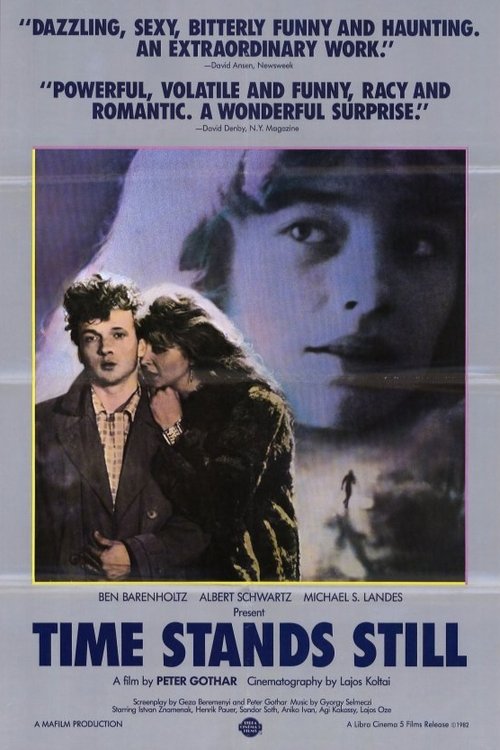
1982

2018

1975

2013

2003
No reviews yet. Be the first to share your thoughts on this movie!
Use the rating form above to leave a star rating and optional review.