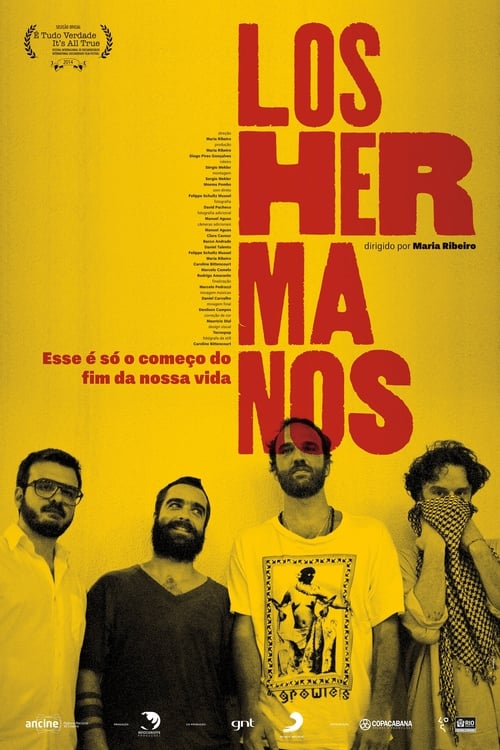
Los Hermanos - Esse é Só o Começo do Fim da Nossa Vida
2015
No user ratings available yet
Representation score: 5.0 out of 10
Representation Score
Fair
2019
Director
Thiago Mattar
Runtime
93 minutes
Average Rating
No ratings yetNew Showbiz Analysis
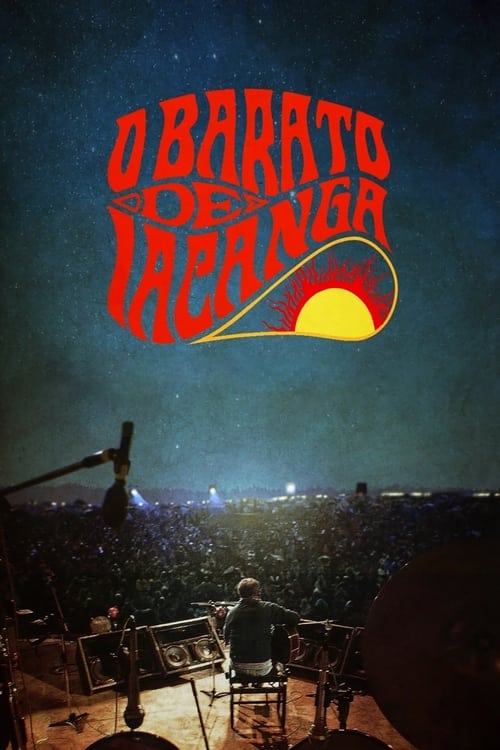
O Barato de Iacanga functions as a piece of progressive historical revisionism. By focusing on the transformative power of communal music festivals in Brazil, the documentary captures moments of social fluidity and the subversion of rigid institutional norms. The film succeeds in disrupting conventional historical documentation by centering on localized, counter-cultural empowerment. It prioritizes the lived experiences of non-conformist communities over official state narratives. However, the documentary lacks granular data regarding specific character arcs or demographic breakdowns. The representation remains thematic rather than driven by individual, explicit identity studies.
Category Breakdown
The film explores music movements that historically provided spaces for non-straight identities. While specific LGBTQ+ identities aren't detailed, the theme of liberation suggests a narrative accommodating various sexualities.
The documentary examines communal social structures from the 1970s and 80s. These festival environments often challenged traditional domestic hierarchies through shared experiences and communal living.
Set within the Brazilian landscape, the film naturally disrupts Anglo-centric musical histories. It provides a platform for the diverse ethnic representation inherent to the regional social fabric.
The narrative centers on music as a tool for liberation during times of political tension. It prioritizes communal, non-traditional social structures over rigid, state-sanctioned or religious frameworks.
There is no documented evidence regarding the portrayal of physical or neurodivergent disabilities within the film.
Present on Screen
Limited or Absent
Official Synopsis
Participants recall a series of festivals held on a farm in Brazil during the '70s and '80s that evolved into liberating celebrations of music.
2015
2007
2019
2019

2010
2017
1970
1977
No reviews yet. Be the first to share your thoughts on this movie!
Use the rating form above to leave a star rating and optional review.