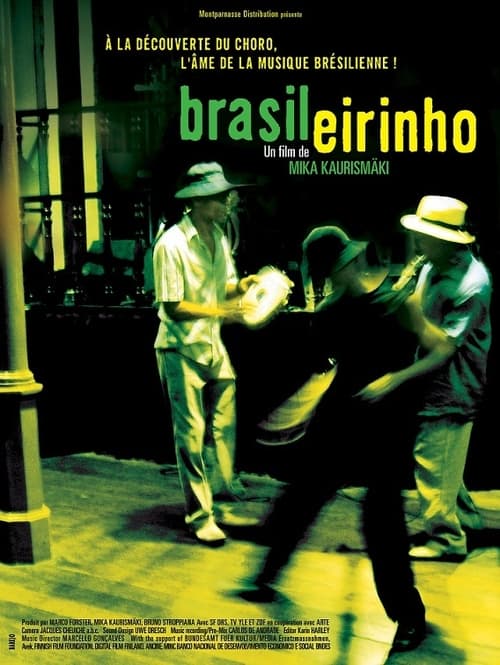
Brasileirinho
2005
No user ratings available yet
Diversity score: 6.9 out of 10
2012
Director
Marcelo Machado
Runtime
87 minutes
Average Rating
No ratings yetSynopsis
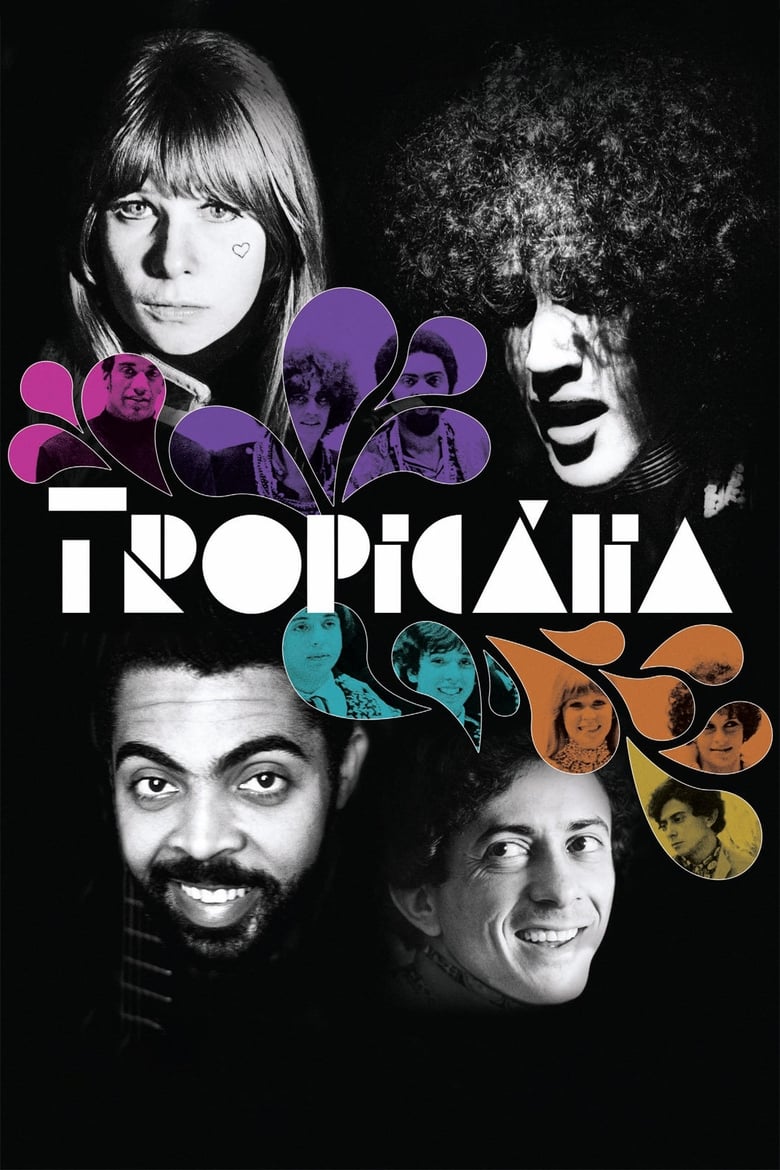
Set against the turbulent atmosphere of the 1960s, Tropicália is a feature length documentary exploring the Brazilian artistic movement known as Tropicália, and the struggle its artists endured to protect their right to freely express revolutionary thought against the traditional Brazilian music of that time.
Overall Score
Good
Category Breakdown
LGBTQ+ Representation
The film touches upon a movement historically known for fluid approaches to gender and sexuality. However, it lacks explicit narrative focus on individual identities.
Gender Representation
The documentary critiques the patriarchal and conservative structures of 1960s Brazil. It explores the subversion of traditional social hierarchies through artistic revolution.
Racial & Ethnic Diversity
The narrative centers on Brazilian artists, prioritizing non-Western perspectives. It highlights a synthesis of local traditions and global avant-garde styles.
Religious & Cultural Diversity
The film emphasizes anti-authoritarianism and the disruption of established social orders. It documents the struggle to protect revolutionary thought against cultural hegemony.
Disability Representation
There is no evidence regarding the portrayal of physical or neurodivergent disabilities within the film.
Strengths
Areas for Improvement
AI Analysis
Tropicália serves as a historical examination of a Brazilian movement that sought to disrupt the 1960s status quo. The film excels at centering non-Western perspectives and celebrating the agency of artists resisting traditionalist pressures. The documentary's strength lies in its systemic critique of institutional norms and its focus on cultural disruption. It provides a platform for voices that challenged the prevailing political and cultural hegemony of the era. However, the film's focus on broad artistic movements means specific individual identities, such as LGBTQ+ or gender-specific arcs, are not explicitly detailed. This results in a more thematic rather than character-driven approach to diversity.
2005

1964

2007

2012
2020

2014

2018

2007

1972
2014

2010

2017
No reviews yet. Be the first to share your thoughts on this movie!
Use the rating form above to leave a star rating and optional review.