Manhattan Love Song
1934
No user ratings available yet
Representation score: 2.9 out of 10
Representation Score
Minimal
1927
PassedDirector
Walter Lang
Runtime
56 minutes
Average Rating
No ratings yetNew Showbiz Analysis
Our Alley is a traditional period melodrama that emphasizes class-based sentimentality and romantic devotion. The narrative structure relies on conventional archetypes typical of the silent era, focusing on the emotional connection between different socioeconomic classes. While the film provides a mild critique of upward mobility by favoring modest communal living over luxury, it does so through a strictly heterosexual and domestic lens. Characters' motivations are rooted in romantic and familial ties rather than challenging social or gender hierarchies. Overall, the film lacks depth in representing multiple aspects of identity, focusing almost exclusively on the divide between the impoverished working class and the wealthy elite without expanding into broader identity-based representation.
Category Breakdown
The film focuses on a conventional romantic relationship between Sally and Jimmie Adams. There are no queer identities or non-cisgender themes in the narrative.
Sally is the emotional center of the household, but her role is primarily tied to domestic duties. The story examines the tension between working-class femininity and high-society expectations.
The setting emphasizes urban tenement life and socioeconomic status. There is no explicit mention of racial or ethnic diversity among the characters.
The plot contrasts communal tenement life with wealthy penthouse living. It offers a sentimental view of the working class compared to those seeking social advancement.
There are no visible representations of physical, sensory, or neurodivergent disabilities in the film.
Present on Screen
Limited or Absent
Official Synopsis
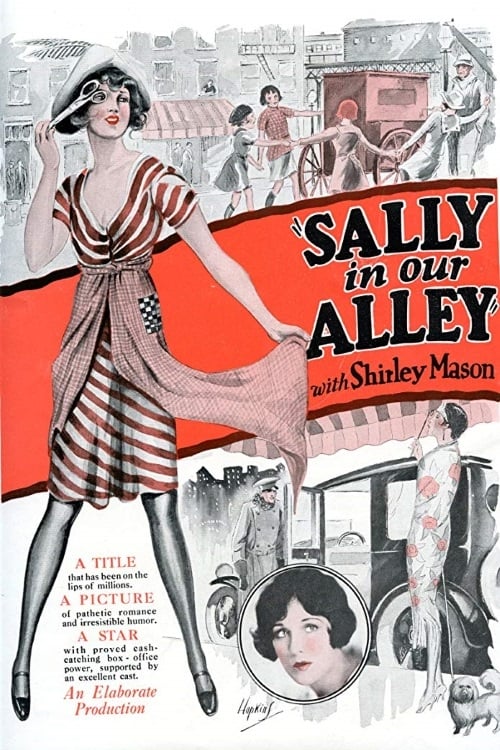
Sally, a girl of the tenements, is being raised by three bachelor foster-fathers, a pawnbroker, an organ-grinder and a peddler, and is very happy preparing their meals and keeping the house, while the old men bask in the attention she gives them. However, this happy home is broken up when Sally wealthy aunt appears on the scene and takes Sally back to her luxurious penthouse in order to give her the advantages of money and social position. But Sally's heart is back across the river with her plumber sweetheart, Jimmie Adams.
1934

1936
1938
1927
1932

1921
1926
1936
No reviews yet. Be the first to share your thoughts on this movie!
Use the rating form above to leave a star rating and optional review.