Manhattan Love Song
1934
No user ratings available yet
Representation score: 2.9 out of 10
Representation Score
Limited
1938
Director
Miroslav Cikán
Average Rating
No ratings yetNew Showbiz Analysis
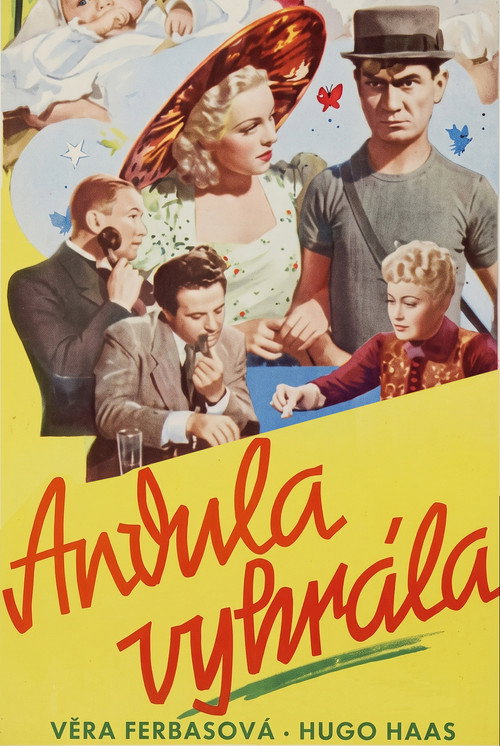
Andula vyhrála is a period-specific social comedy that emphasizes escapism rather than social critique. The narrative depends heavily on established class stereotypes and traditional romantic clichés common to pre-war Czechoslovak cinema. The film's viewpoint is predominantly male-focused, centered on a bachelor's struggle against societal pressures. While female characters exhibit some influence through their roles, they remain anchored in the themes of marriage and courtship. Overall, the film reflects its historical context, maintaining the demographic and social hierarchy of the late 1930s without challenging existing power structures.
Category Breakdown
The film follows traditional 1930s romantic storylines. It centers on courtship and does not depict any LGBTQ+ identities or same-sex relationships.
Female characters like Andula take part in social activities and work in the camp kitchen. However, the main conflict revolves around the male protagonist's desire to avoid marriage.
The production mirrors the demographic uniformity of 1938 Central Europe. The cast and settings appear ethnically consistent with the era's social norms.
The narrative uses class differences between the wealthy and the working class as a humorous element. It upholds the cultural norms of the time regarding social behavior and family life.
There are no visible or invisible disabilities mentioned or shown in the character descriptions.
Present on Screen
Limited or Absent
Official Synopsis
A rich bachelor, Pavel Haken, tries - with the help of his faithful servant - to escape the courtship of marriageable young ladies. They meet at a ladies' social club. In the cafeteria there, he is helped by the talkative Andula, the daughter of a poor taxi driver. Haken longs for peace and has a secluded weekend villa built for him. The brief silence that followed his mother's departure is interrupted by the inhabitants of a tent camp. The girls from the club have taken advantage of Mrs. Haken's offer and camped on their property, and Andula helps out in the camp kitchen...
1934

1936
1927

1946

1932

1938

1938
1941
No reviews yet. Be the first to share your thoughts on this movie!
Use the rating form above to leave a star rating and optional review.