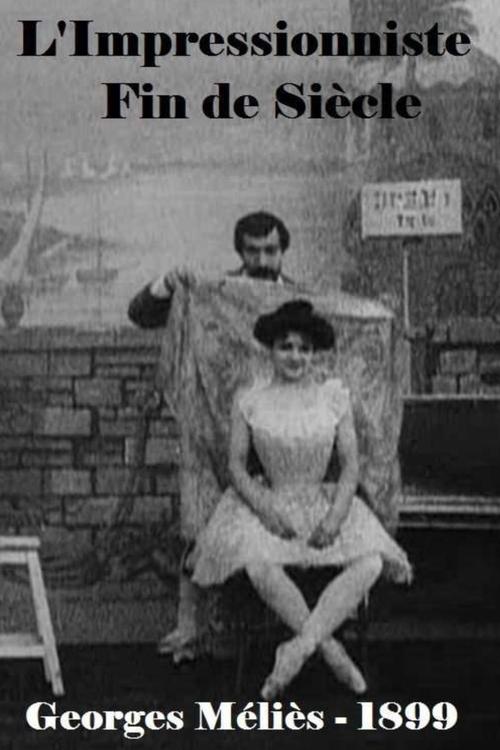
The Conjurer
1899
No user ratings available yet
Diversity score: 1.6 out of 10
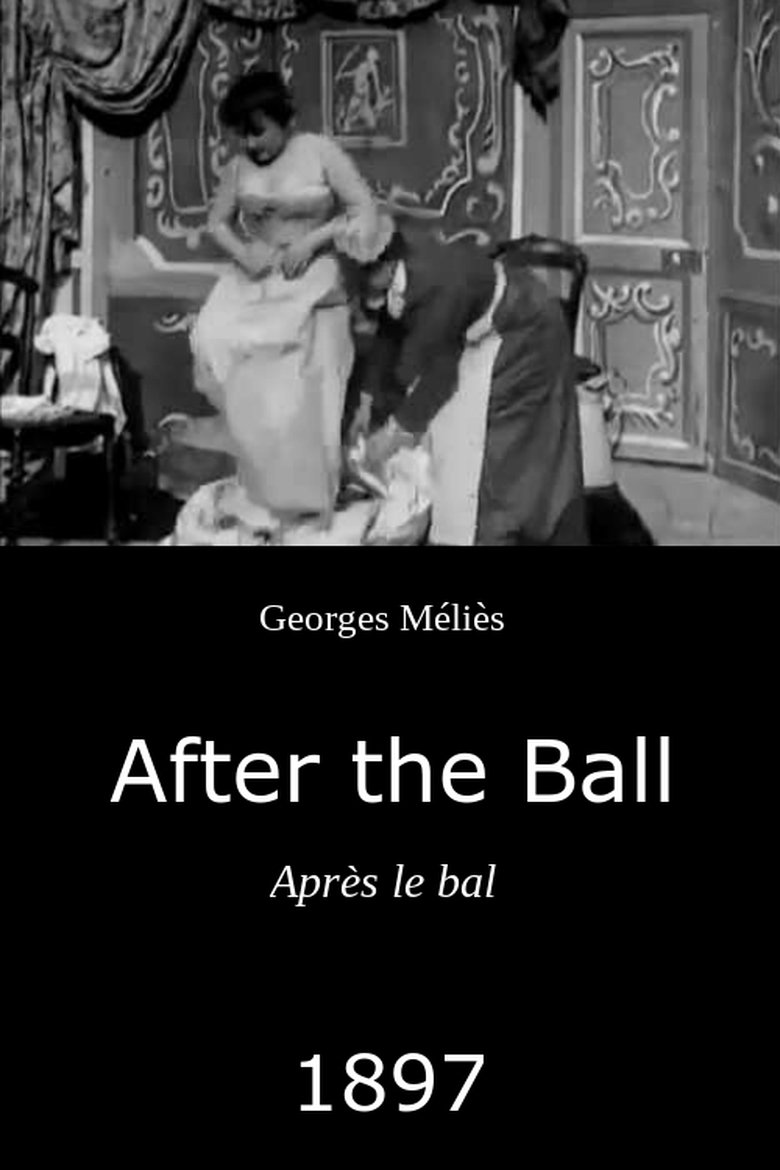
1897
Director
Georges Méliès
Runtime
1 minutes
Average Rating
No ratings yetSynopsis
A woman arrives home after the ball. Her servant helps her undress and bathe.
Overall Score
Minimal
Category Breakdown
LGBTQ+ Representation
The film contains no depictions of queer identities or non-heteronormative intimacy. The narrative focuses entirely on traditional social interactions.
Gender Representation
The film reinforces 19th-century social hierarchies and courtship dynamics. It captures conventional social rituals rather than subverting gendered power structures.
Racial & Ethnic Diversity
Casting reflects the homogeneous demographic norms of late 19th-century France. There is no visible evidence of diverse identities or non-majority casts.
Religious & Cultural Diversity
The work presents a standard depiction of upper-class Western social etiquette. It avoids engagement with secularist or anti-Western themes in favor of social stability.
Disability Representation
There are no characters depicted with physical or invisible disabilities. The film lacks any narrative engagement with neurodivergence or impairment.
Strengths
Areas for Improvement
AI Analysis
Georges Méliès' *Après le Bal* serves as a historical artifact of early cinema, prioritizing technical experimentation over social commentary. The film is deeply rooted in the traditionalist frameworks of the late 19th century, offering a snapshot of upper-class etiquette and conventional social rituals. Because the narrative focuses on standard social stability, it lacks intentionality regarding intersectional representation. The film does not attempt to disrupt established hierarchies or engage with diverse identities, reflecting the homogeneous demographic norms of its era. Ultimately, the work functions as a period piece that adheres to the social and cultural status quo of its time, providing little to no engagement with modern concepts of diversity or systemic critique.
1899

1896
1903
1903

1897
1905

1912

1907
1903
1901

1901
1903
No reviews yet. Be the first to share your thoughts on this movie!
Use the rating form above to leave a star rating and optional review.