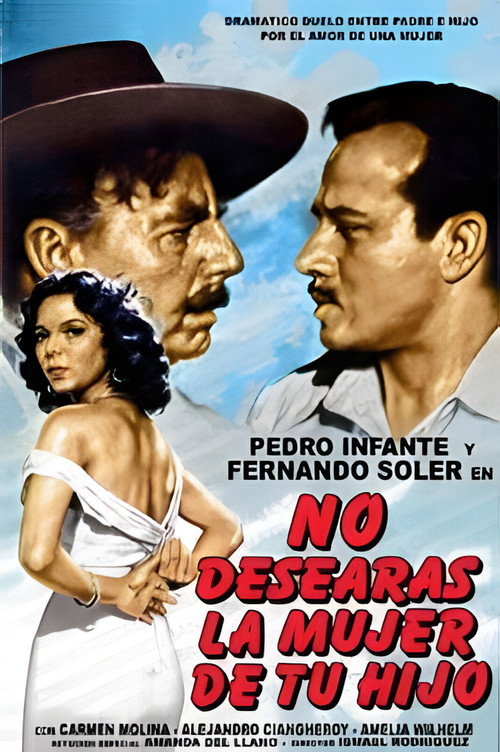
No desearás la mujer de tu hijo
1950
No user ratings available yet
Representation score: 2.0 out of 10
Representation Score
Limited
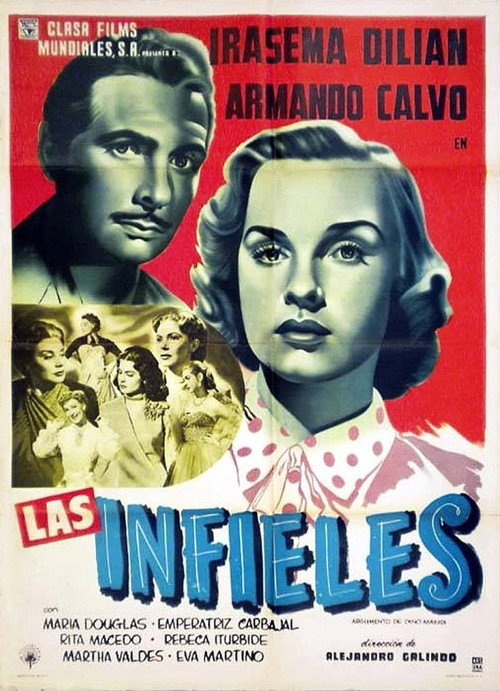
1953
Director
Alejandro Galindo
Runtime
101 minutes
Average Rating
No ratings yetNew Showbiz Analysis
Alejandro Galindo’s drama explores mid-century Mexican life authentically. It highlights the instability caused by male infidelity, moving away from typical domestic narratives. However, the film remains limited by the social norms of its time. Female characters have limited autonomy, and the narrative stays within traditional moral boundaries without a deeper systemic critique.
Category Breakdown
The film follows the heterosexual norms of 1950s Mexican cinema, showing no signs of diverse sexual orientations or gender identities. The focus is on traditional romantic relationships.
The story challenges the usual narrative by highlighting the consequences of male infidelity. However, the female characters primarily react to the actions of men within the domestic sphere.
The film showcases a predominantly Mexican cast and setting, avoiding Hollywood whitewashing. It offers a genuine, localized look at class and morality within Mexican society.
The story examines the breakdown of the family unit due to individual betrayals. It focuses on the social consequences rather than critiquing religious or societal institutions.
There is no indication of characters with visible or invisible disabilities being used as central plot devices or given specific ability to act.
Present on Screen
Limited or Absent
Official Synopsis
Governess falls in love with the uncle of the children she's teaching. Then complications.
1950
1931
1945

1953
1953

1952
1955

1946
No reviews yet. Be the first to share your thoughts on this movie!
Use the rating form above to leave a star rating and optional review.