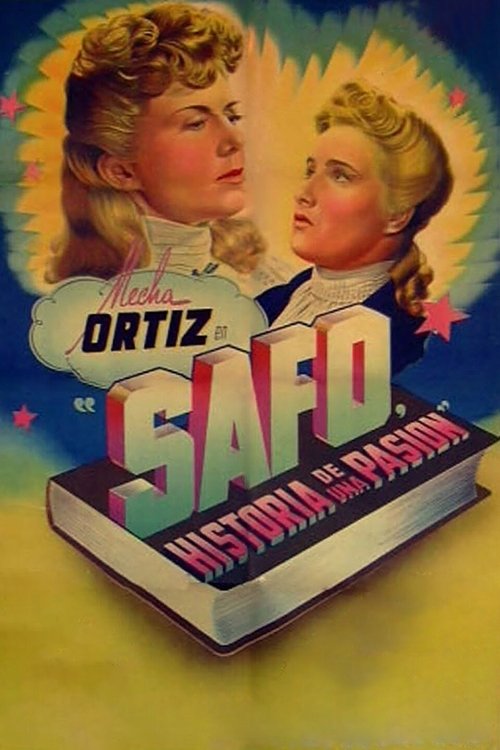
Safo, historia de una pasión
1943
No user ratings available yet
Representation score: 4.0 out of 10
Representation Score
Minimal
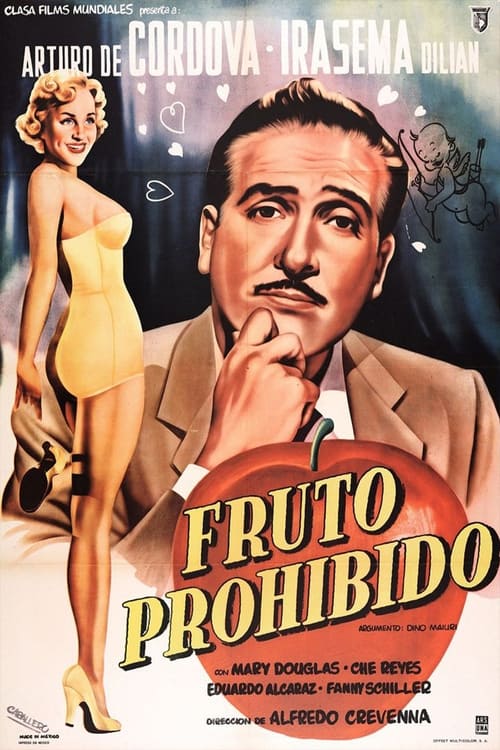
1953
TV-PGDirector
Alfredo B. Crevenna
Runtime
109 minutes
Average Rating
No ratings yetNew Showbiz Analysis
Fruto prohibido is a classic mid-century Mexican melodrama that closely adheres to the social and romantic norms of its time. The narrative emphasizes traditional family dynamics and straight-centered romance, offering little in the way of social subversion. While the film showcases a non-Anglo-Saxon perspective typical of its regional production, it does not actively challenge racial or cultural hierarchies. Instead, it functions as a conventional dramatic work that reinforces the stability of established social institutions. Ultimately, the film serves as a period piece reflecting the era's status quo. It lacks the intentionality needed to disrupt the gendered or cultural expectations of 1953 Mexican cinema.
Category Breakdown
The film does not include any characters with non-straight or non-cisgender identities. The plot revolves around a heterosexual relationship between a male guardian and his female ward.
The story follows traditional structures of romantic dramas. Although the female character experiences significant growth, the plot emphasizes conventional gender roles and romantic dependency.
As a Mexican production, the film features a predominantly non-Anglo-Saxon cast. However, this reflects the typical cinematic standards of the 1950s rather than a conscious effort to challenge racial hierarchies.
The narrative upholds traditional mid-century values related to family and social responsibility. It aligns with established social institutions and does not offer anti-religious or anti-Western viewpoints.
There are no characters with visible or invisible disabilities mentioned in the film. The information available does not indicate any neurodivergence or physical impairments among the characters.
Present on Screen
Limited or Absent
Official Synopsis
A writer is given custody of his editor's daughter after she is orphaned. Once she grows up, they become romantically involved.
1943

1931
1946

1964
1942
1951
1954
1948
No reviews yet. Be the first to share your thoughts on this movie!
Use the rating form above to leave a star rating and optional review.