Find another title
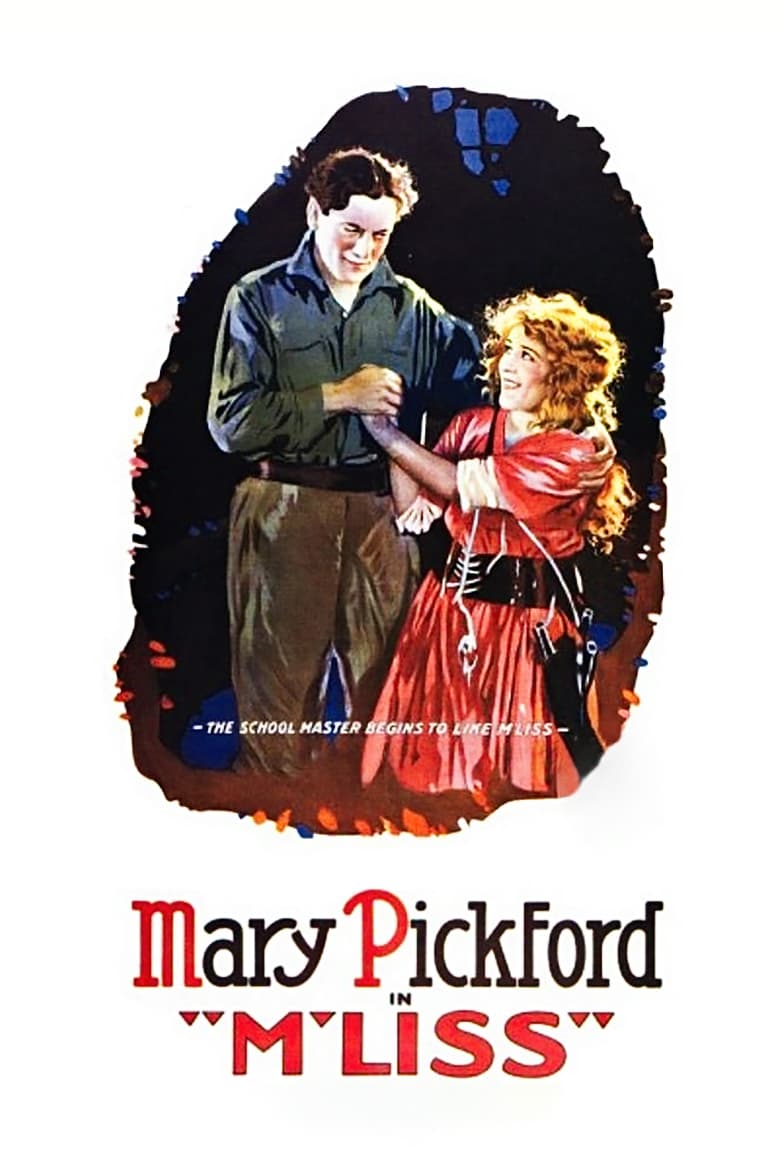
M'Liss
1918
Not RatedDirector
Marshall Neilan
Runtime
73 minutes
Average Rating
No ratings yetSynopsis
M'liss, a feisty young girl in a mining camp, falls for Charles Gray, the school teacher. Charles is implicated in a murder of which he is innocent, and the two must fight to save him from a lynching.
Where to Watch
Diversity & Representation
Overall Score
Limited
Category Breakdown
LGBTQ+ Representation
The film follows a traditional romantic arc between M'Liss and Charles Gray. There is no evidence of non-cisnormative identities or critiques of heteronormativity.
Gender Representation
M'Liss disrupts early 20th-century expectations of female passivity. As a feisty and spirited character, she acts as a proactive force in the struggle against injustice.
Racial & Ethnic Diversity
The story centers on a homogeneous cast within a rural mining camp. There is no documented evidence of racial blending or non-white characters in positions of agency.
Religious & Cultural Diversity
The plot explores class distinctions and the tension between individual innocence and systemic failure. It critiques unexamined communal authority through the threat of a mob lynching.
Disability Representation
The historical record and plot summary show no characters with visible or invisible disabilities. There is no depiction of neurodivergence or physical impairment.
Strengths
- The protagonist M'Liss provides a spirited subversion of the submissive female archetypes common in the 1910s.
- The narrative offers a critique of unexamined communal authority and systemic injustice through its depiction of a mob lynching.
Areas for Improvement
- The film lacks racial and ethnic diversity, centering on a homogeneous cast within the mining camp setting.
- There is no representation of LGBTQ+ identities or characters with disabilities.
AI Analysis
M'Liss succeeds in subverting the era's gender archetypes by presenting a female lead with significant agency. She is a central driver of the plot rather than a passive bystander. However, the film is limited by the demographic homogeneity common in silent cinema. The narrative lacks racial diversity and intersectional complexity, focusing instead on a narrow social setting. While the film touches on systemic injustice and class tension, it remains a relatively straightforward period drama centered on a traditional romantic conflict.
Rate this Movie
Reviews
No reviews yet. Be the first to share your thoughts on this movie!
Use the rating form above to leave a star rating and optional review.