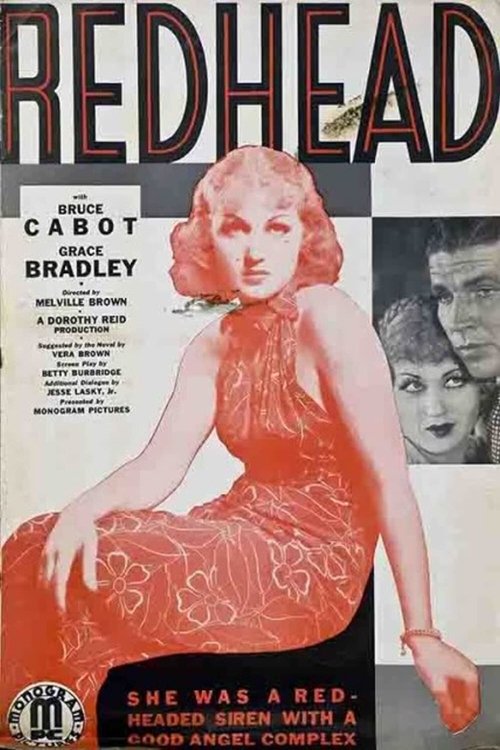
Redhead
1934
No user ratings available yet
Representation score: 2.0 out of 10
Representation Score
Minimal
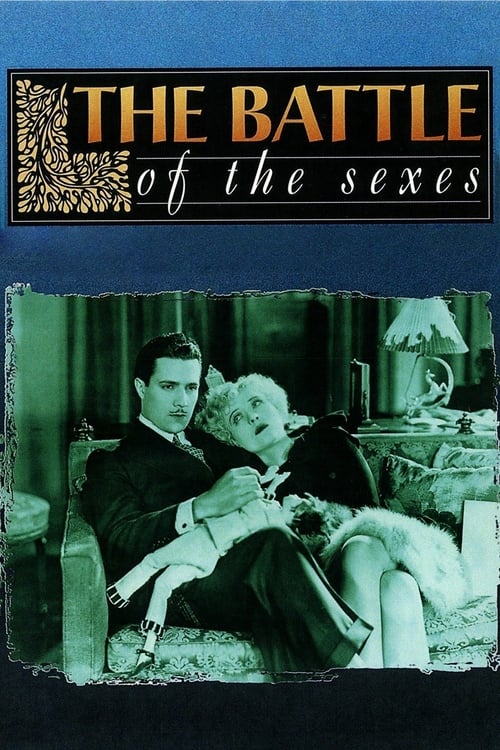
1928
NRDirector
D.W. Griffith
Runtime
88 minutes
Average Rating
No ratings yetNew Showbiz Analysis
The film serves as a social comedy set in the late 1920s, reinforcing the social hierarchies of the time. While it explores gender power dynamics through humor, it lacks depth in representing multiple aspects of identity. The narrative depends on well-known stereotypes like the 'loyal wife' and the 'seductress,' which uphold rather than challenge societal norms. This focus on binary roles restricts the film's potential to address broader cultural issues. Overall, the film lacks diverse casting and critiques of broader systems. It focuses on individual social transgressions without delving into cultural or identity-based complexities.
Category Breakdown
The film doesn't include any characters with non-binary gender identities or same-sex relationships. All romantic relationships involve heterosexual couples.
Marie Skinner uses her intelligence to manipulate social situations, but she is also portrayed as a 'gold-digger.' The film highlights the contrast between the loyal wife and the seductive woman, reinforcing traditional female stereotypes.
The cast seems uniform, focusing on upper-class urbanites and jazz enthusiasts. There is no indication of racial or ethnic diversity in the story.
The story adheres to conventional Western values, emphasizing the nuclear family and personal property. It doesn't question Western institutions or capitalism.
No disabilities, visible or invisible, are shown. Characters are defined by their social status, gender roles, and moral behavior rather than by physical or cognitive differences.
Present on Screen
Limited or Absent
Official Synopsis
After the wealthy and married William Judson meets young, attractive Marie Skinner, he's flattered by her attention. What he fails to realize is that Marie has plotted with her lover to seduce Judson for his money. When his family points out her motives, Judson quarrels with them and moves out. Desperate for a solution, Judson's daughter Ruth takes a gun with intentions of shooting Marie – unless her lover can talk her out of it.
1934
1936

1929

1942
1920
1939
1936
1937
No reviews yet. Be the first to share your thoughts on this movie!
Use the rating form above to leave a star rating and optional review.