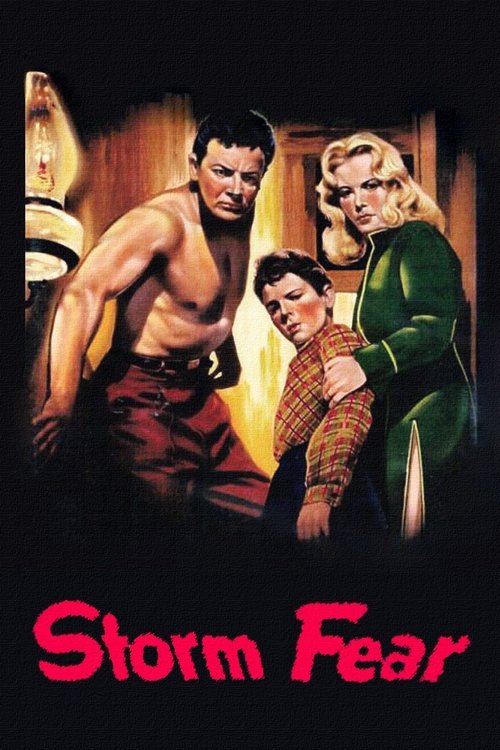
Storm Fear
1955
No user ratings available yet
Representation score: 2.2 out of 10
Representation Score
Limited
1953
NRDirector
J. Lee Thompson
Runtime
76 minutes
Average Rating
No ratings yetNew Showbiz Analysis
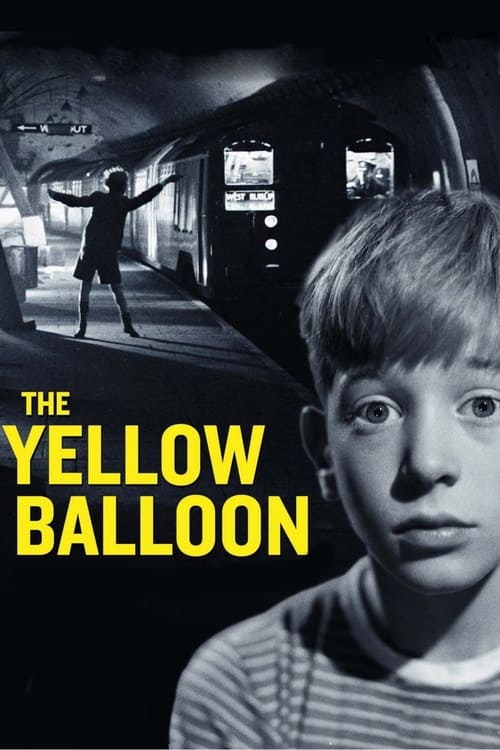
The Yellow Balloon is a period-specific psychological thriller that prioritizes individual trauma over identity-based narratives. It functions as a localized study of guilt and childhood innocence within the constraints of 1953 British cinema. The film adheres strictly to the social and demographic norms of its era. It does not attempt to disrupt traditional hierarchies or introduce perspectives that reflect multiple aspects of identity, resulting in a narrow demographic scope. While the film delves into the internal suffering of its protagonist, it lacks the breadth to address broader systemic or diverse social realities.
Category Breakdown
The film does not include any representation of LGBTQ+ identities or non-assuming gender matches what was assigned at birth narratives. The story focuses on a child's trauma and criminal blackmail within traditional social structures.
Gender roles follow mid-century conventions with little challenge to traditional norms. The plot centers on a young male protagonist and an adult antagonist, offering limited opportunities for women to take charge.
The setting depicts a largely homogeneous post-war London. The cast lacks significant racial or ethnic diversity, reflecting the typical demographic presentation of 1953 British cinema.
This is a character study of grief and socioeconomic struggle in a working-class urban setting. It does not actively critique Western institutions or systemic power.
The story explores profound psychological distress and emotional trauma. However, it relies on the 'suffering child' cliché rather than proactive representation of neurodivergence or physical disabilities.
Present on Screen
Limited or Absent
Official Synopsis
A young boy is blackmailed by a crook who saw him unwittingly cause his friend's death.
1955
1959
1959
1950
1952
1955
1951

1958
No reviews yet. Be the first to share your thoughts on this movie!
Use the rating form above to leave a star rating and optional review.