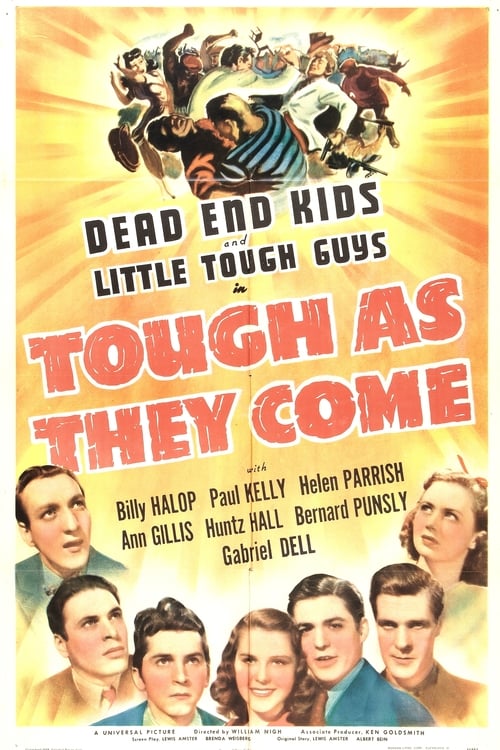
Tough as They Come
1942
No user ratings available yet
Diversity score: 2.8 out of 10
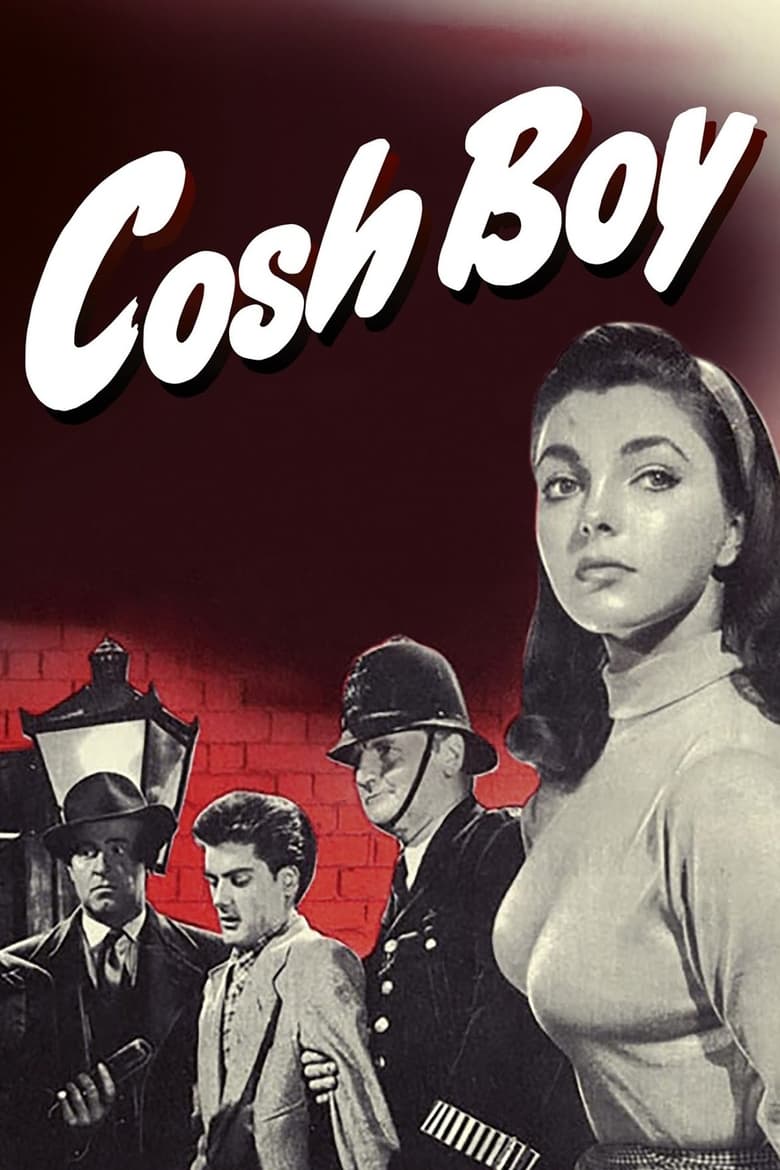
1953
NRDirector
Lewis Gilbert
Runtime
75 minutes
Average Rating
No ratings yetSynopsis
Roy Walsh is a brash and enterprising thug who bullies his friends into subservience. He and his gang assault and rob people on the street, but things get increasingly dangerous when their behavior escalates to larger crimes.
Overall Score
Limited
Category Breakdown
LGBTQ+ Representation
The film lacks any evidence of non-cisnormative identities or same-sex intimacy. The narrative adheres to the heteronormative social structures typical of 1950s British crime cinema.
Gender Representation
The story centers on a male-dominated hierarchy of thugs and gangs. It reinforces traditional masculine power dynamics through the protagonist's aggressive bullying and dominance.
Racial & Ethnic Diversity
The narrative appears to reflect the era's lack of racial plurality. It focuses on a localized, likely homogeneous, Anglo-Saxon working-class environment.
Religious & Cultural Diversity
The film critiques social order through individual criminality rather than systemic institutional critique. It focuses on personal deviance rather than broader cultural or anti-institutional frameworks.
Disability Representation
There is no indication that disability, neurodivergence, or chronic illness influences the characters or the plot.
Strengths
Areas for Improvement
AI Analysis
Cosh Boy is a mid-century crime drama that prioritizes traditional genre tropes over social subversion. The narrative is built around a localized study of masculine aggression and criminal escalation. The film operates within a standard social framework of the 1950s, offering little in the way of intersectional or progressive representation. It focuses on the behavior of a specific gang rather than challenging existing social hierarchies. Ultimately, the work functions as a conventional study of street-level crime, reinforcing the period's typical demographic homogeneity and gendered power structures.
1942

1968
1959

1959
1968
1952
1971
1955
1955

1975
1957

2011
No reviews yet. Be the first to share your thoughts on this movie!
Use the rating form above to leave a star rating and optional review.