Sting
2007
No user ratings available yet
Representation score: 5.7 out of 10
Representation Score
Limited
1969
Director
Arūnas Žebriūnas
Runtime
71 minutes
Average Rating
No ratings yetNew Showbiz Analysis
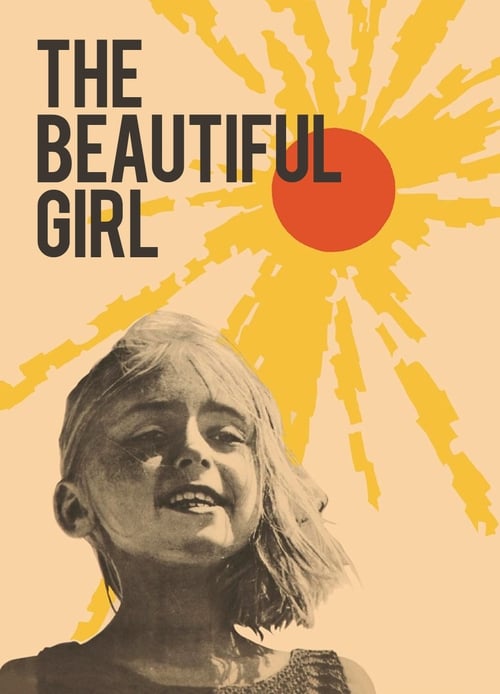
Arūnas Žebriūnas's *The Beauty* is a lyrical work of poetic cinema that prioritizes subjective emotional experience over didactic storytelling. By focusing on the internal life of its protagonist, Inga, the film offers a nuanced look at how social perception shapes identity. While the film provides psychological depth, it remains tied to the traditional social and gendered norms of 1960s Eastern European cinema. It lacks the explicit characters who reflect more than one aspect of diversity or systemic subversion found in more contemporary works. Ultimately, the film is a culturally grounded piece that emphasizes local Lithuanian identity. It succeeds as a character study but stays within the conventional social frameworks of its time.
Category Breakdown
The film adheres to the traditional romantic and social norms of its era. It does not include any queer narratives or characters with non-traditional gender identities.
The story centers around the female experience through Inga, examining the societal pressure to conform to beauty standards. However, it does not challenge traditional gender roles or patriarchal structures.
Set in a Lithuanian coastal community, the film highlights its local ethnic identity. It avoids Western-centric casting norms by focusing on its specific cultural context.
The film's poetic approach emphasizes personal truth and sensory experience rather than strict social rules. This contrasts with the singular morality often found in state-sponsored cinema of the period.
The film concentrates on the psychological and aesthetic aspects of the main characters. There are no characters with visible or invisible disabilities.
Present on Screen
Limited or Absent
Official Synopsis
Little Inga considers herself pretty and is pampered by her mother and other children in her housing block, until a new boy with questionable habits arrives and calls her ugly to her face.
2007
1961
1985
2000
1990
1996
2008
2004
No reviews yet. Be the first to share your thoughts on this movie!
Use the rating form above to leave a star rating and optional review.