
Tom & Thomas
2002
No user ratings available yet
Representation score: 0.6 out of 10
Representation Score
Fair
2004
Director
Karola Hattop
Runtime
89 minutes
Average Rating
No ratings yetNew Showbiz Analysis
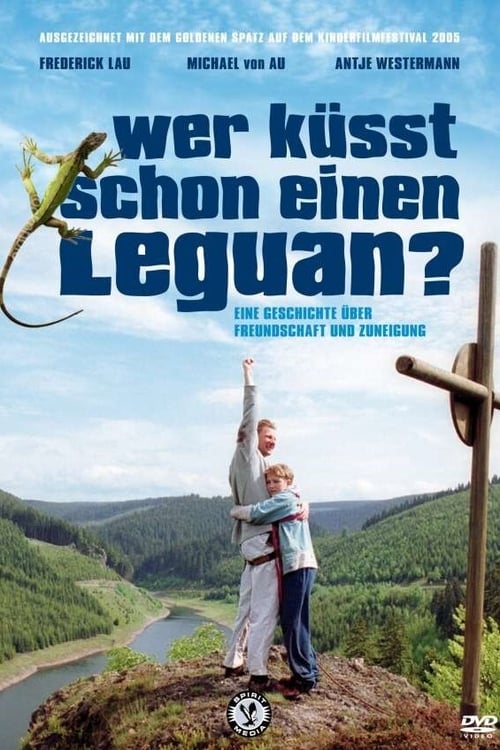
Second Hand Child is a character-driven drama that explores the breakdown of traditional family hierarchies. By presenting a thirteen-year-old boy as a father figure, the film deconstructs the nuclear family unit and replaces stable roles with fluid, self-created identities. The film's strength lies in its portrayal of adolescent ability to act as a means to bypass societal structures. It moves away from traditional adult-led authority to focus on how young people navigate their own social realities. However, the film lacks significant markers for racial or LGBTQ+ diversity. The narrative appears closely tied to the specific demographic and historical realities of its East German setting.
Category Breakdown
While there are no explicit depictions of queer identity or same-sex intimacy, the film hints at a departure from traditional heterosexual family structures by focusing on unconventional social roles.
The story centers on adolescent boys taking control and rejecting adult authority. By having children take on adult roles, it disrupts conventional expectations of male leadership.
The film is set in an East German city and focuses on local social dynamics. There is no evidence of racial blending or a non-white cast within the provided context.
The film critiques traditional Western institutions by emphasizing self-determined social structures. It prioritizes youth autonomy over established parental and societal authority.
There is no information available regarding characters with visible or invisible disabilities in this narrative.
Present on Screen
Limited or Absent
Official Synopsis
Tobias, aged 13, lives in an East German city and has learned to get by on his own. Then Max moves into the neighboring apartment, and he keeps it just like Tobias. He likes to determine how things should go by himself. Without further ado, Tobias decides to pass Max off as his father!
2002
2008

2012
2011

2011
2004

2014

2011
No reviews yet. Be the first to share your thoughts on this movie!
Use the rating form above to leave a star rating and optional review.