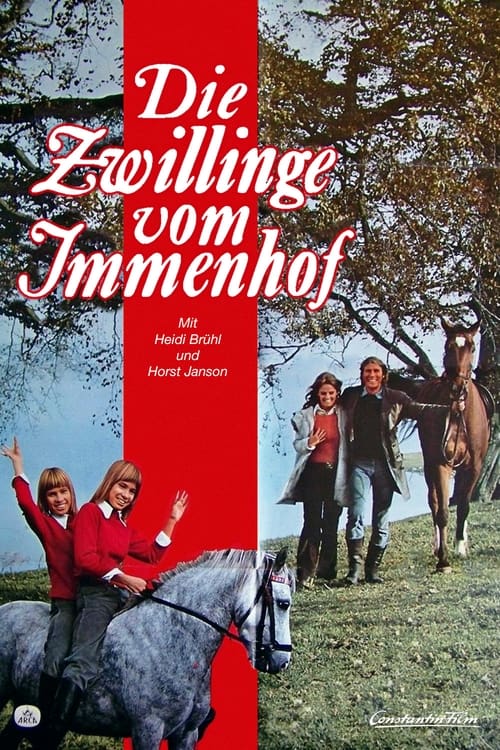
The Twins from Immenhof
1973
No user ratings available yet
Diversity score: 2.9 out of 10
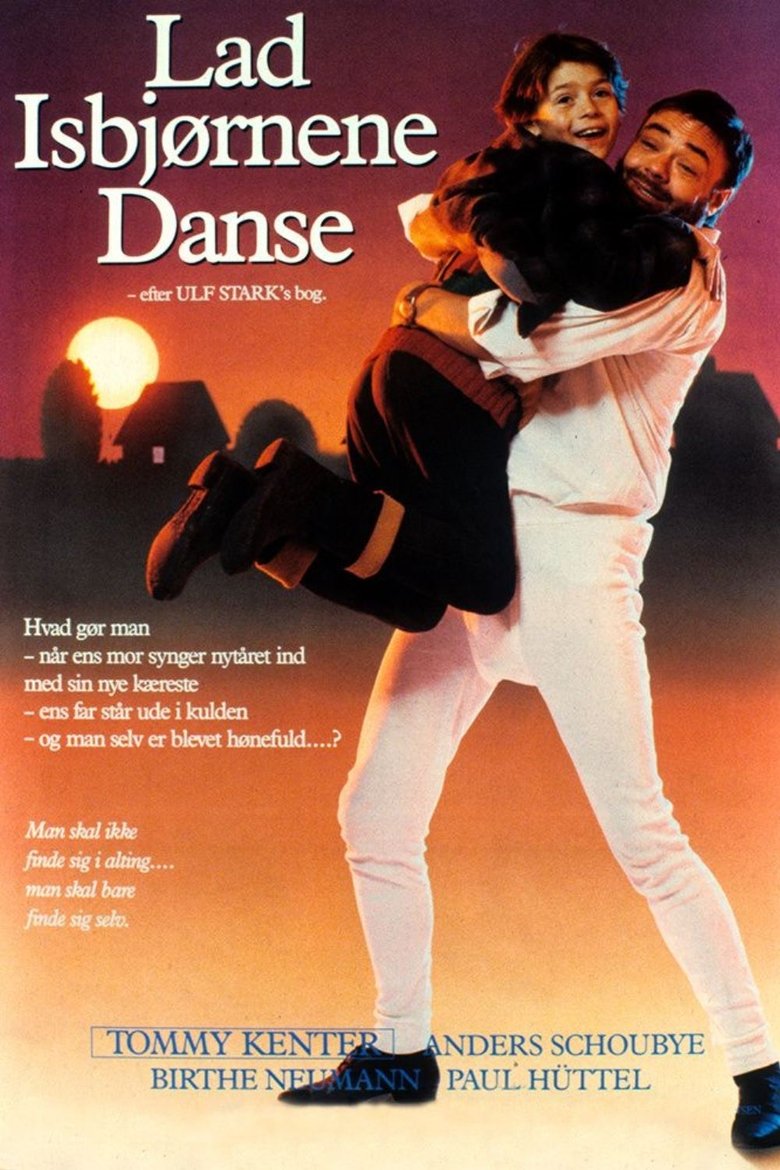
1990
Director
Birger Larsen
Runtime
89 minutes
Average Rating
No ratings yetSynopsis
At age 12, Lasse is a tough guy and a bright one. His life is changed when his mother, pregnant at the time, abandons his beloved father. She takes Lasse with her to live with her new paramour, a dentist as authoritarian as Lasse's Elvis Presley-fan butcher dad was easy-going. The dentist has a daughter, too, and she is a jealous schemer. Lasse tries hard to conform, but can a tiger change its stripes?
Overall Score
Limited
Category Breakdown
LGBTQ+ Representation
The film lacks explicit depictions of LGBTQ+ identities. The story centers on a fractured nuclear family and traditional relationship structures.
Gender Representation
The narrative critiques rigid patriarchal structures through the conflict between an easy-going father and an authoritarian stepfather. However, it relies on gendered tropes, such as the jealous female schemer.
Racial & Ethnic Diversity
The drama focuses on a homogeneous social setting. There is no evidence of a multi-ethnic cast or diverse racial identities within the family unit.
Religious & Cultural Diversity
The film explores the instability of the domestic sphere and the deconstruction of the traditional family. It lacks broader secularist or anti-capitalist frameworks.
Disability Representation
There is no mention of characters navigating physical, neurodivergent, or mental health conditions.
Strengths
Areas for Improvement
AI Analysis
Dance of the Polar Bears is a localized domestic drama that prioritizes individual familial struggles over intersectional storytelling. While it offers a subtle critique of authoritarianism and shifting domestic hierarchies, it remains rooted in conventional dramatic frameworks. The film's primary focus is the emotional upheaval of a young boy navigating a broken home. This narrow scope results in a lack of representation for LGBTQ+ identities, diverse racial backgrounds, or disability perspectives. Ultimately, the film functions as a traditional character study. It explores the friction caused by changing authority figures but lacks the intentionality required to challenge broader social or cultural norms.
1973
1989

2012

2000
1925
1993

1969
1983
1996

1959
1994

2001
No reviews yet. Be the first to share your thoughts on this movie!
Use the rating form above to leave a star rating and optional review.