Study No. 9
1931
No user ratings available yet
Representation score: 0.6 out of 10
Representation Score
Good
1926
Director
Oskar Fischinger
Runtime
6 minutes
Average Rating
No ratings yetNew Showbiz Analysis
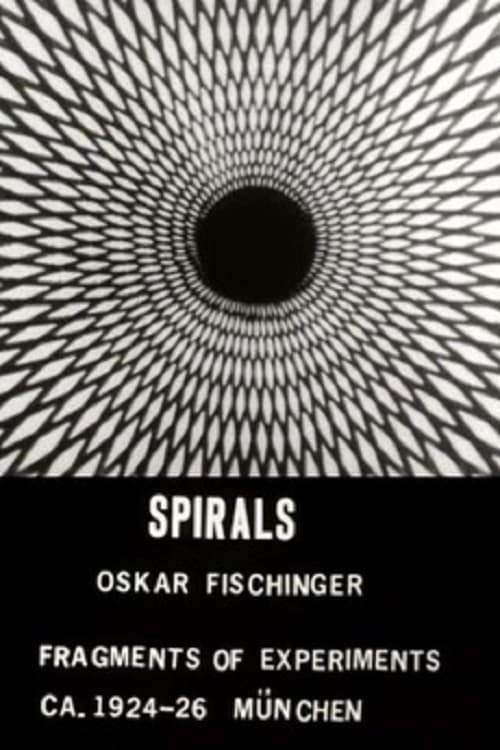
Spirals is a formalist experiment that operates through abstraction, lacking traditional narrative elements such as characters or dialogue. This absence means it exists outside the usual representations of identity. While the film avoids reinforcing socio-cultural hierarchies, it also cannot actively represent or subvert social identities because it removes the human element entirely. The film's strength lies in its focus on visual music and rhythmic patterns, which disrupts conventional storytelling and avoids socio-cultural clichés. However, the lack of human subjects limits its ability to address various forms of identity.
Category Breakdown
The film does not include any characters or interpersonal relationships, making it impossible to represent LGBTQ+ identities explicitly.
Since the film is purely abstract, it does not depict any gender roles or social dynamics based on gender norms.
The film uses geometric patterns and rhythms instead of human figures, so there is no depiction of racial identity or racial stereotypes.
The film challenges traditional Western storytelling by focusing on mathematical and sensory experiences, avoiding religious or nationalist messages.
With no human characters, the film does not represent physical or neurodivergent identities, nor does it use disability as a plot device.
Present on Screen
Limited or Absent
Official Synopsis
In 'Spirals' Oskar Fischinger designed visual patterns of extreme complexity which often develop in overlapping cycles, yet he interrupts these patterns with radical editing of single frames of contrasting imagery. 'Spirals' exists as a fragmentary unfinished experimental film. Preserved by the Academy Film Archive in 2001.
1931

1942
1930
1927
1927
1942
1936

1924
No reviews yet. Be the first to share your thoughts on this movie!
Use the rating form above to leave a star rating and optional review.