Study No. 9
1931
No user ratings available yet
Representation score: 0.6 out of 10
Representation Score
Minimal
1931
Director
Oskar Fischinger
Runtime
3 minutes
Average Rating
No ratings yetNew Showbiz Analysis
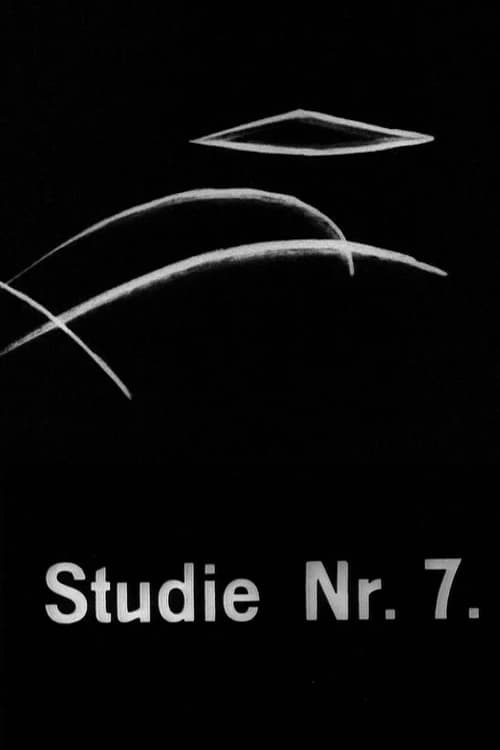
Oskar Fischinger’s *Study No. 7* is an experimental piece in visual music, focusing on the synchronization of geometric shapes with Brahms' *5th Hungarian Dance*. The work is non-narrative and purely abstract, making it exist outside the frameworks of social or identity-based representation. Without human characters, dialogue, or discernible social identities, the film does not engage with themes of race, gender, or sexual orientation. Its purpose is the formalist relationship between sound and motion. While the film disrupts traditional cinematic storytelling through its avant-garde structure, it lacks the character-driven ability to act needed to address characters who reflect more than one aspect of diversity. It remains focused on rhythm and form rather than sociological issues.
Category Breakdown
The film is abstract and does not feature any characters or gendered identities. It does not depict any queer relationships or interpersonal interactions.
There is no depiction of gender in the film. Since there are no characters, the film does not reinforce or subvert traditional masculine or feminine roles.
The visual elements consist of geometric shapes and colors, and do not include human actors. The film does not engage with ethnic identity.
The work focuses on the sensory experience and form, using Hungarian folk music. It does not engage with religious or cultural themes.
Since there are no human subjects in the animation, there is no representation of physical, neurodivergent, or sensory disabilities.
Present on Screen
Limited or Absent
Official Synopsis
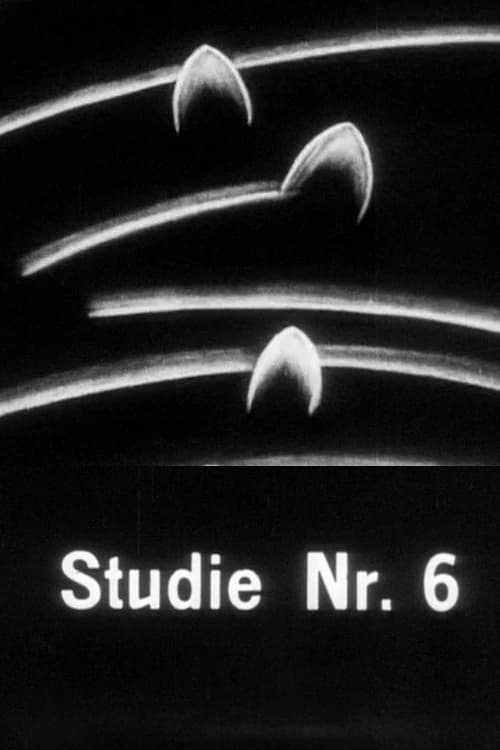
In Fischinger's study No. 7, the shapes of Study No. 6 move to the 5th Hungarian dance by Johannes Brahms.
1931
1927
1930
1936
1942
1947
1935
1933
No reviews yet. Be the first to share your thoughts on this movie!
Use the rating form above to leave a star rating and optional review.