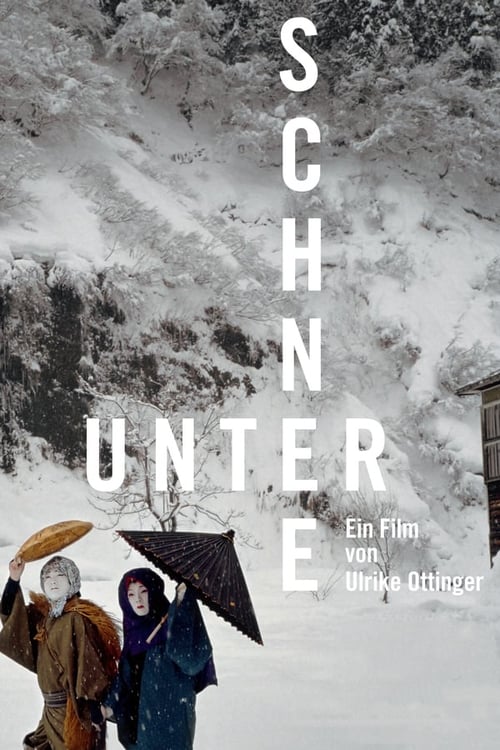
Under Snow
2011
No user ratings available yet
Representation score: 6.4 out of 10
Representation Score
Good
1992
Director
Ulrike Ottinger
Runtime
501 minutes
Average Rating
No ratings yetNew Showbiz Analysis
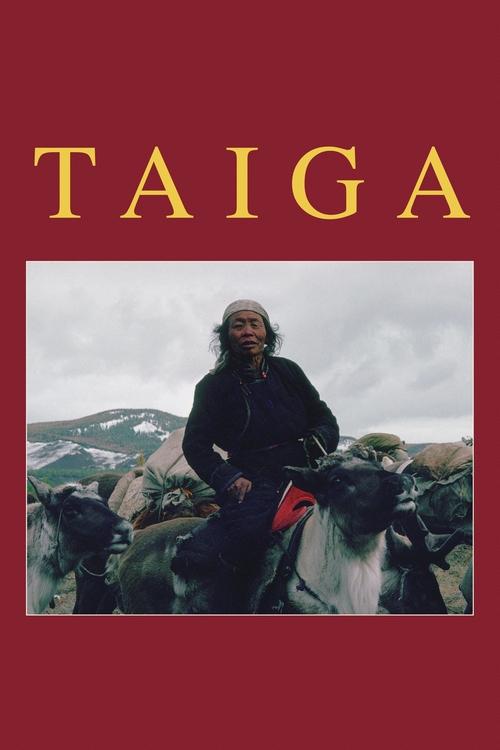
Ulrike Ottinger’s Taiga is a significant shift from conventional ethnographic films. By focusing on the Darkhad and Soyon Uriyanghai peoples, the film challenges the Western-centric viewpoint often found in such documentaries. It replaces colonial observation with a visual exploration of cultural autonomy. The film’s strength lies in its refusal to use a Western protagonist as the main lens. Instead, it allows the Mongolian landscape and its inhabitants to drive the narrative, prioritizing indigenous ways of knowing over capitalist or individualistic ideals. While the film effectively dismantles gender and racial hierarchies, it lacks explicit documentation of LGBTQ+ identities or disability representation. However, its overall impact remains strong due to its commitment to non-Western perspectives.
Category Breakdown
The film doesn't explicitly include queer narratives or characters who identify outside the cisgender norm. It avoids common stereotypes related to straight relationships but doesn't feature any specific LGBTQ+ storylines.
The documentary centers on the lives of indigenous women, highlighting their roles within their communities. It offers a detailed look at the functional and communal roles these women play, providing a nuanced view of their influence and control over their lives.
The film focuses almost entirely on the Darkhad and Soyon Uriyanghai peoples, avoiding the perspective of a predominantly white audience. It lets the subjects exist within their own cultural context, emphasizing their unique traditions and ways of life.
The film prioritizes the indigenous knowledge systems over colonial frameworks. It respects the spiritual connections to the land without imposing a Western moral standard. It acknowledges the local traditions and beliefs without trying to change them.
There is no specific evidence regarding the portrayal of physical or neurodivergent disabilities within the documentary context.
Present on Screen
Limited or Absent
Official Synopsis
The Darkhad and Soyon Uriyanghai peoples live in a vast valley in Northern Mongolia, much as their ancestors have for centuries. "Taiga" is the record of a long period spent by the German filmmaker Ulrike Ottinger among these people.
2011
2010
2006
2004
1989

2010
1997
2016
No reviews yet. Be the first to share your thoughts on this movie!
Use the rating form above to leave a star rating and optional review.