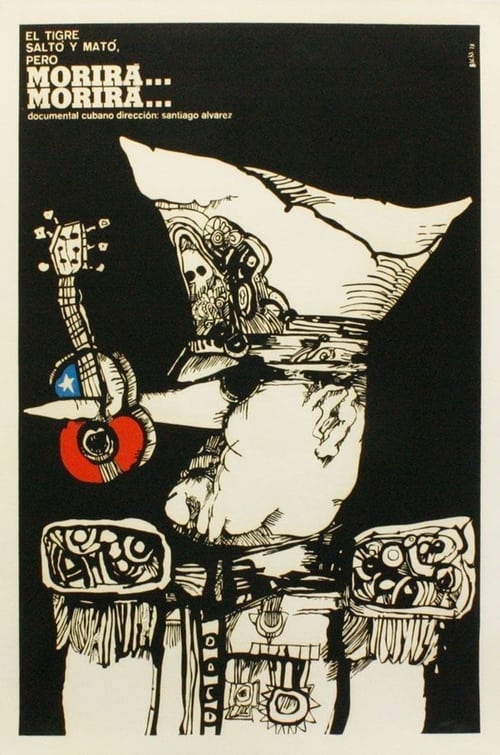
The Tiger Leaps and Kills, But It Will Die... It Will Die...
1973
No user ratings available yet
Representation score: 6.2 out of 10
Representation Score
Fair
1971
Director
Santiago Álvarez
Runtime
36 minutes
Average Rating
No ratings yetNew Showbiz Analysis
Santiago Álvarez utilizes the Third Cinema movement to deconstruct neo-colonial power structures. The film's strength lies in its systemic critique, prioritizing the ability to act of the underrepresented over the stability of Western-aligned institutions. By centering the struggle of the proletariat against foreign intervention, the work successfully re-centers the narrative on those historically silenced by global powers. However, the film lacks focus on individual identity politics. While it excels at socio-economic critique, it offers no representation for LGBTQ+ or disabled identities.
Category Breakdown
The film focuses on state violence and class struggle without depicting any LGBTQ+ characters or non-assuming gender matches what was assigned at birth narratives. There is no visible presence of LGBTQ+ themes in the archival montage.
The narrative emphasizes macro-political structures over domestic hierarchies. Women are shown as active participants in revolutionary movements, framed through collective political action rather than traditional submissive roles.
The film serves as a profound exercise in post-colonial storytelling. By centering the Latin American experience and the proletariat, it disrupts the white-centric historical perspective through regional depth.
This seminal critique of Western institutional power aligns with progressive values. It deconstructs Western dominance by framing capitalist and military structures as inherently oppressive and corrupt.
There is no evidence regarding the depiction of physical or neurodivergent identities within the available archival material.
Present on Screen
Limited or Absent
Official Synopsis
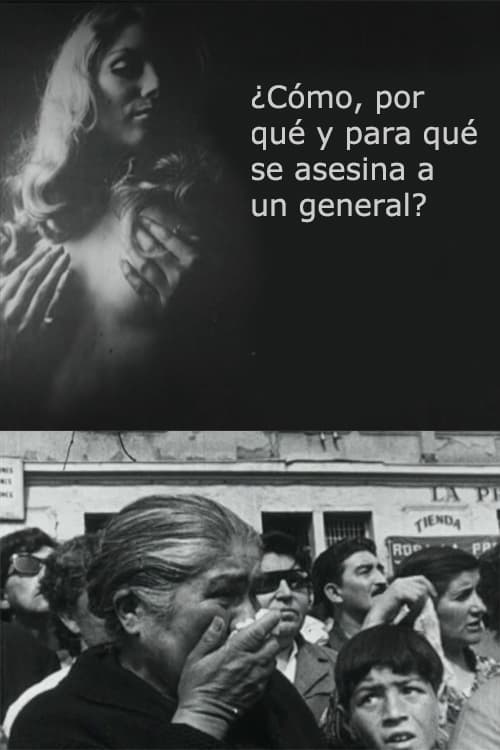
Documentary short about the death of Chilean general René Schneider by the CIA, following the election of Salvador Allende as president of the nation.
1973
2017

1973
2012

1976
1976
1972
1971
No reviews yet. Be the first to share your thoughts on this movie!
Use the rating form above to leave a star rating and optional review.