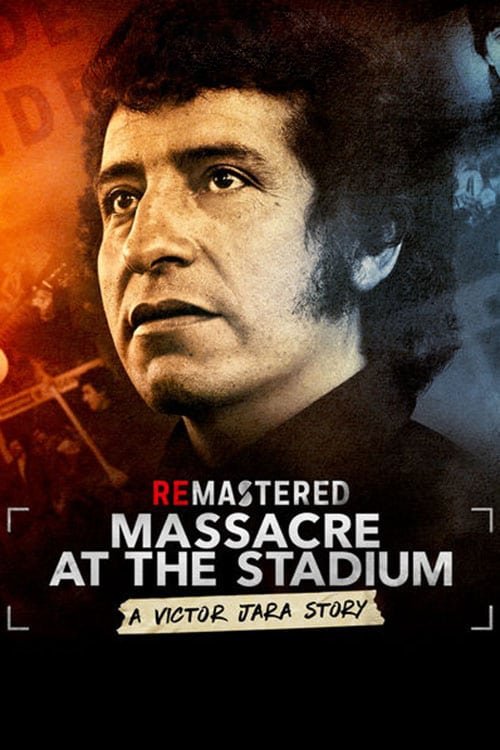
ReMastered: Massacre at the Stadium
2019
No user ratings available yet
Representation score: 6.2 out of 10
Representation Score
Good
1973
Director
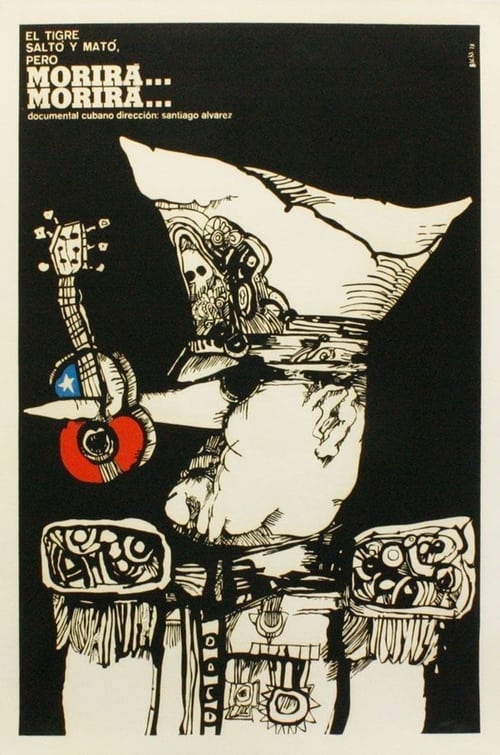
Santiago Álvarez
Runtime
16 minutes
Average Rating
No ratings yetNew Showbiz Analysis
Santiago Álvarez uses the documentary format to challenge colonial narratives and critique systemic power. The film excels by centering non-Western political struggles and disrupting traditional historical hierarchies through a revolutionary perspective. While the film effectively represents cultural and racial diversity, it does not specifically address LGBTQ+ identities or disabilities. The narrative is closely tied to the political martyrdom of Victor Jara and the Chilean coup. Overall, the film serves as a powerful tool for social critique, emphasizing the voices of the oppressed over established Western political structures.
Category Breakdown
The film focuses on the martyrdom of Victor Jara and does not provide explicit evidence about queer identities or non-cisgender relationships.
The story centers around victims of state violence, challenging strict male dominance. Despite the main character being male, the film highlights the collective action of those affected by the military regime.
The documentary breaks Anglo-centric traditions by focusing on Latin American identity and the lived experiences of the Chilean people against Western influence.
The film critiques the authoritarian military junta, presenting Jara's death as a result of institutional violence and celebrating the spirit of social change.
There is no documented evidence regarding the portrayal of physical or cognitive disabilities within the film.
Present on Screen
Limited or Absent
Official Synopsis
An obituary for Victor Jara, the Chilean folksinger who was murdered in a football stadium by the military junta during the days of the September 1973 coup.
2019

2012

1971
1972
1967
1999

1969
2007
No reviews yet. Be the first to share your thoughts on this movie!
Use the rating form above to leave a star rating and optional review.