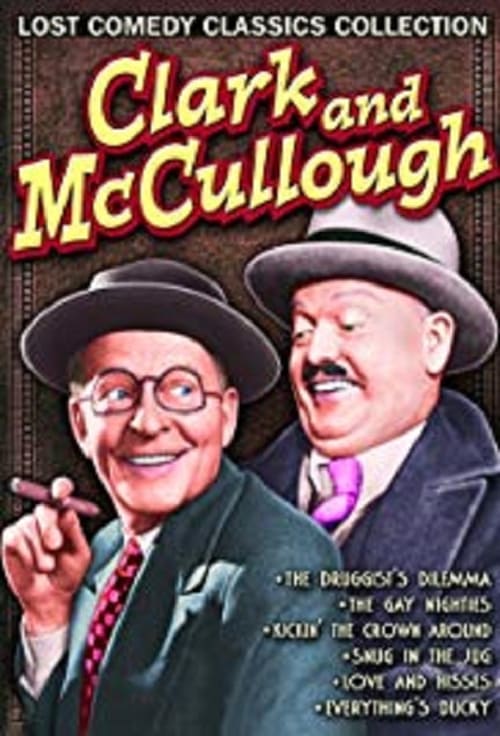
Everything's Ducky
1934
No user ratings available yet
Representation score: 1.1 out of 10
Representation Score
Minimal
1931
Director
Robert F. McGowan
Runtime
20 minutes
Average Rating
No ratings yetNew Showbiz Analysis
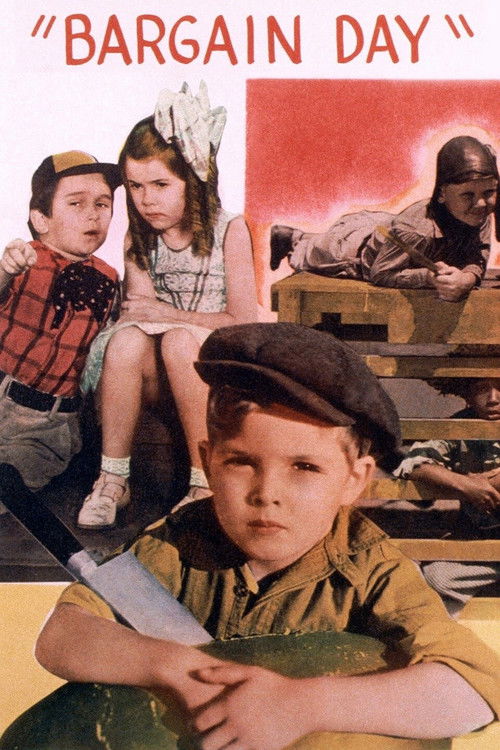
Bargain Day is a product of its era, functioning as a character-driven comedy that prioritizes situational humor over social disruption. While it features a central female character, the narrative remains rooted in the traditional social hierarchies of the early 1930s. The film lacks intentionality regarding modern inclusive values. It focuses on interpersonal interactions and capitalist clichés rather than addressing diverse identities or systemic issues. Ultimately, the work serves as a historical artifact of early sound-era entertainment, providing a baseline of inclusion typical of the genre but failing to challenge conventional social norms.
Category Breakdown
The film contains no evidence of LGBTQ+ characters or narratives. It adheres strictly to the social constraints and assumptions that everyone is straight or cisgender of 1931.
A lonely rich girl serves as a central figure and emotional catalyst. However, the narrative follows traditional structures rather than challenging gender hierarchies.
Representation reflects the casting norms of the early 1930s. While the studio's series often featured integrated casts, this specific film lacks evidence of characters of color playing significant roles in the story.
The story relies on a classic door-to-door salesman cliché. It operates within traditional Western social norms without critiquing institutional power or systemic structures.
There is no documented evidence of characters portraying physical or neurodivergent disabilities within the film.
Present on Screen
Limited or Absent
Official Synopsis
Wheezer and Stymie, door-to-door salesmen, meet a lonely little rich girl.
1934

1934

1932

1936
1935
1934

1930
1931
No reviews yet. Be the first to share your thoughts on this movie!
Use the rating form above to leave a star rating and optional review.