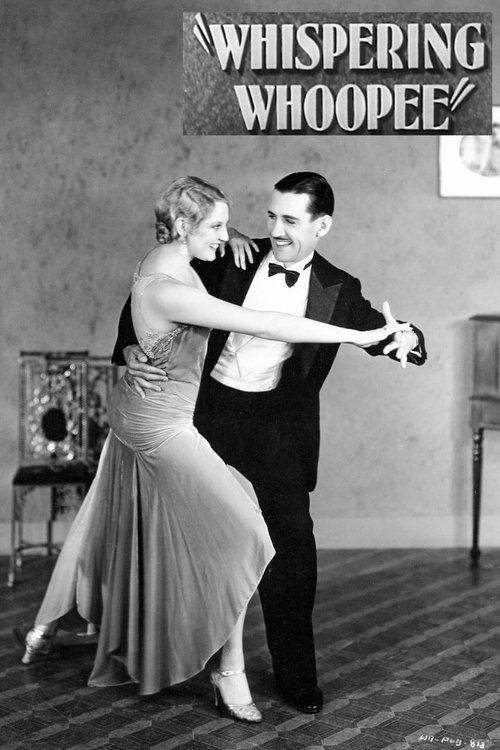
Whispering Whoopee
1930
No user ratings available yet
Representation score: 2.9 out of 10
Representation Score
Minimal
1930
Director
Ray Cozine
Runtime
10 minutes
Average Rating
No ratings yetNew Showbiz Analysis
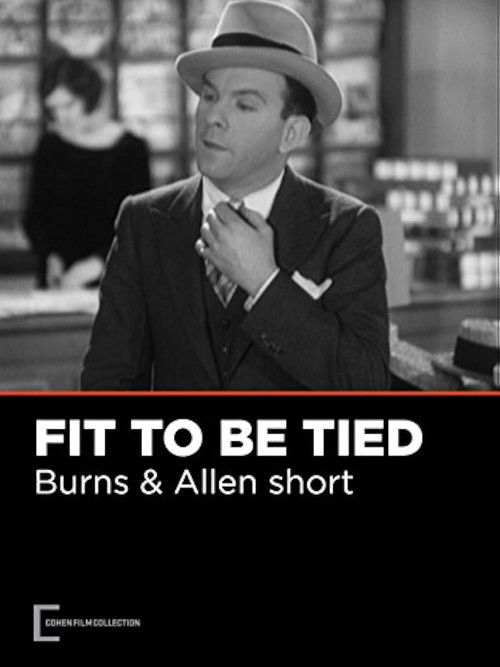
Fit to Be Tied is a standard period comedy that adheres to the traditional social and demographic hierarchies of 1930. The film functions as a mainstream commercial product of its era, offering little to no disruption of conventional expectations. The narrative lacks intentionality regarding the representation of gender, race, or institutional authority. Instead, it relies on the standard comedic clichés and social structures prevalent in early sound-era cinema. Ultimately, the film reflects a homogeneous worldview, focusing on a male-centric consumerist experience without exploring the way different parts of someone's identity overlap or diverse cultural perspectives.
Category Breakdown
The film does not include any representation of LGBTQ+ identities or narratives that challenge the assumption that everyone is straight or cisgender. It follows conventional social structures typical of the early sound era.
The story centers around a male protagonist, suggesting a traditional patriarchal framework. Female characters likely serve as secondary or domestic figures within the established gender hierarchies of the time.
The cast appears to center on homogeneous, Western, Anglo-Saxon archetypes. There is no indication of non-white majority ensembles or the disruption of racial hierarchies.
The premise aligns with traditional capitalist structures through its focus on consumerism. The film operates within the established social and moral norms of the early 20th century.
There is no verifiable evidence regarding the inclusion or portrayal of characters with physical or neurodivergent disabilities.
Present on Screen
Limited or Absent
Official Synopsis
George Burns tries to buy a tie in a department store filled with assorted kooks.
1930
1951
1930
1930
1931
1933
1936

1930
No reviews yet. Be the first to share your thoughts on this movie!
Use the rating form above to leave a star rating and optional review.