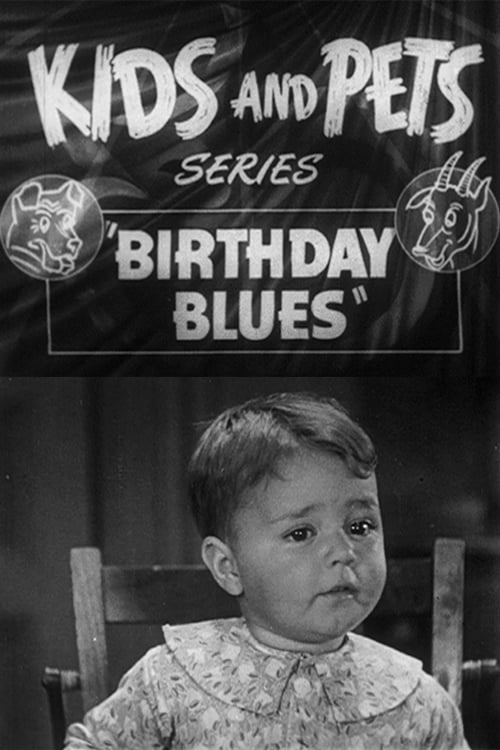
Birthday Blues
1932
No user ratings available yet
Representation score: 3.2 out of 10
Representation Score
Minimal
1934
PassedDirector
Gus Meins
Runtime
18 minutes
Average Rating
No ratings yetNew Showbiz Analysis
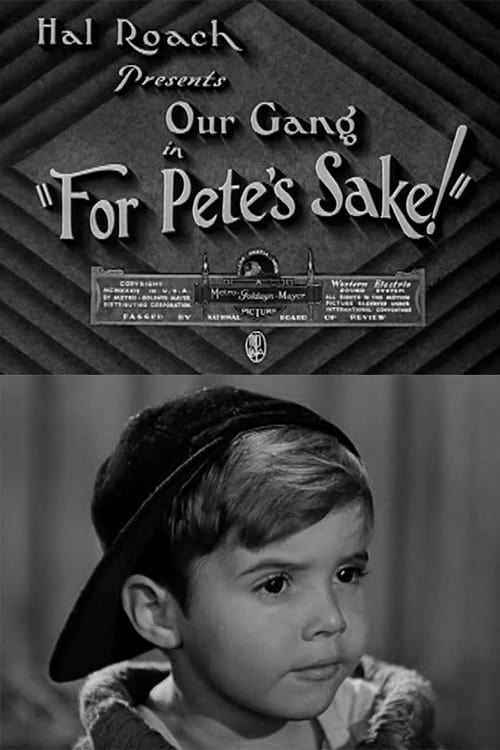
For Pete's Sake! serves as a lighthearted musical comedy designed for escapist entertainment. The plot centers on a sentimental goal—children raising money for a doll—which adheres strictly to the social conventions of 1934. The film reinforces prevailing cultural norms rather than challenging them. It lacks any attempt to introduce identity-based narrative complexity or systemic disruption. Ultimately, the work is a product of its era, prioritizing stability and tradition over social commentary or diverse representation.
Category Breakdown
The film does not include any LGBTQ+ identities. Romantic relationships follow traditional, cisgender norms typical of the 1930s.
Gender dynamics align with mid-century hierarchies. Children drive the plot, but there is no challenge to masculine authority or portrayal of women in superior structural roles.
The production reflects early Hollywood's homogeneous casting standards. The setting suggests a standard, Anglo-centric depiction of small-town life without significant racial blending.
The narrative functions as a traditional Western story emphasizing community cohesion. It reinforces conventional social values through sentimentality without critiquing Western institutions.
There is no evidence of characters with visible or invisible disabilities. The cast consists of able-bodied performers with no neurodivergent or physical disability representation.
Present on Screen
Limited or Absent
Official Synopsis
The kids try to raise money to buy a doll for Marianne.
1932
1934
1934
1936
1940
1934
1934
1931
No reviews yet. Be the first to share your thoughts on this movie!
Use the rating form above to leave a star rating and optional review.