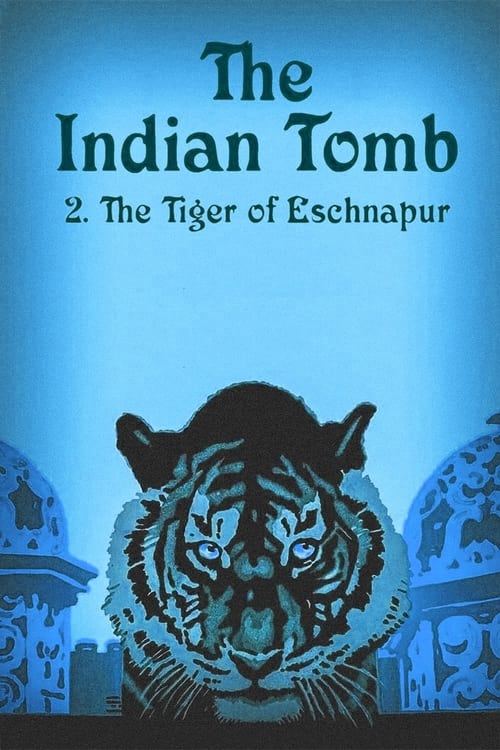
The Indian Tomb, Part II: The Tiger of Eschnapur
1921
No user ratings available yet
Representation score: 4.5 out of 10
Representation Score
Minimal
1921
Director
Joe May
Runtime
127 minutes
Average Rating
No ratings yetNew Showbiz Analysis
This film is a product of early 20th-century cinema, emphasizing Western-centric adventure over nuanced cultural representation. It relies heavily on Orientalist clichés, presenting the East as a mystical backdrop for a Western protagonist's journey. While the presence of a female lead adds visibility, her role is often reactive and defined by vulnerability. The film treats Indian culture as a spectacle rather than providing depth or ability to act to the indigenous population. Overall, the film reinforces the period's colonialist hierarchies. It functions as a traditional adventure that uses non-Western settings and religious elements as tools for Western-led storytelling.
Category Breakdown
The film does not include any characters who identify as LGBTQ+ or have non-traditional gender identities. Relationships in the film revolve around conventional romantic jealousy and marital fidelity.
A strong female lead adds visibility, but her role is defined by her vulnerability. She reacts to the authority of male characters rather than taking an active role in driving the story.
The film presents India as an exoticized backdrop, focusing on its mystique for Western audiences. While Indian actors play supporting roles, the perspective remains rooted in Western adventure.
The film's depiction of religion and culture reinforces colonial stereotypes rather than offering a nuanced exploration. Religious elements serve mainly as plot devices to advance the protagonist’s journey.
There are no visible representations of physical or neurological disabilities in the film.
Present on Screen
Limited or Absent
Official Synopsis
Ayan, Maharajah of Eschnapur, believes that his wife, Princess Savitri, has been unfaithful to him with officer Mac Allan. He decides to bury her alive, so he sends the Yogi Ramigani to England to look for Herbert Rowland, an architect; but when he orders him to build a tomb, Rowland refuses.
1921
1924
1907
1924
1912
1924
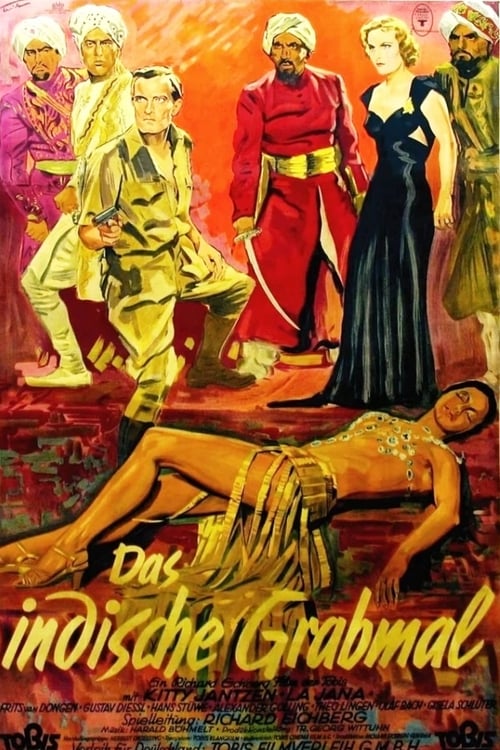
1938
1925
No reviews yet. Be the first to share your thoughts on this movie!
Use the rating form above to leave a star rating and optional review.